
tuberbuddy.com

How Smart Home Automation Trends Are Changing Modern Homes

How Smart Home Automation Trends Are Changing Modern Homes

It’s not just office-related tasks and technological devices; technology has penetrated our homes too. From the moment the lights turn on automatically to the capability to unlock the door with the touch of your smartphone screen, Home Automation Trends are rapidly transforming the way we live, enjoy, and function on a daily basis. Such innovations and advancements in home automation technologies are transforming today’s homes into smart and energy-efficient residences.

Wouldn’t it be cool if your house could ‘think’ for you? Well, now it can. Let’s examine how new home automation trends are revolutionizing home comfort and convenience.

What is smart home automation?

Smart home automation refers to controlling or monitoring different functions within the house through the use of smartphones, voice assistants, or other smart devices. Some of these include:

  • fans and light lamps
  • air conditioners and appliances
  • by means of security cameras and door locks
  • entertainment systems
  • curtains and blinds

The automation principle makes it possible to schedule, control, and even conduct operations on these gadgets from a distance in a bid to make life simpler and smarter.
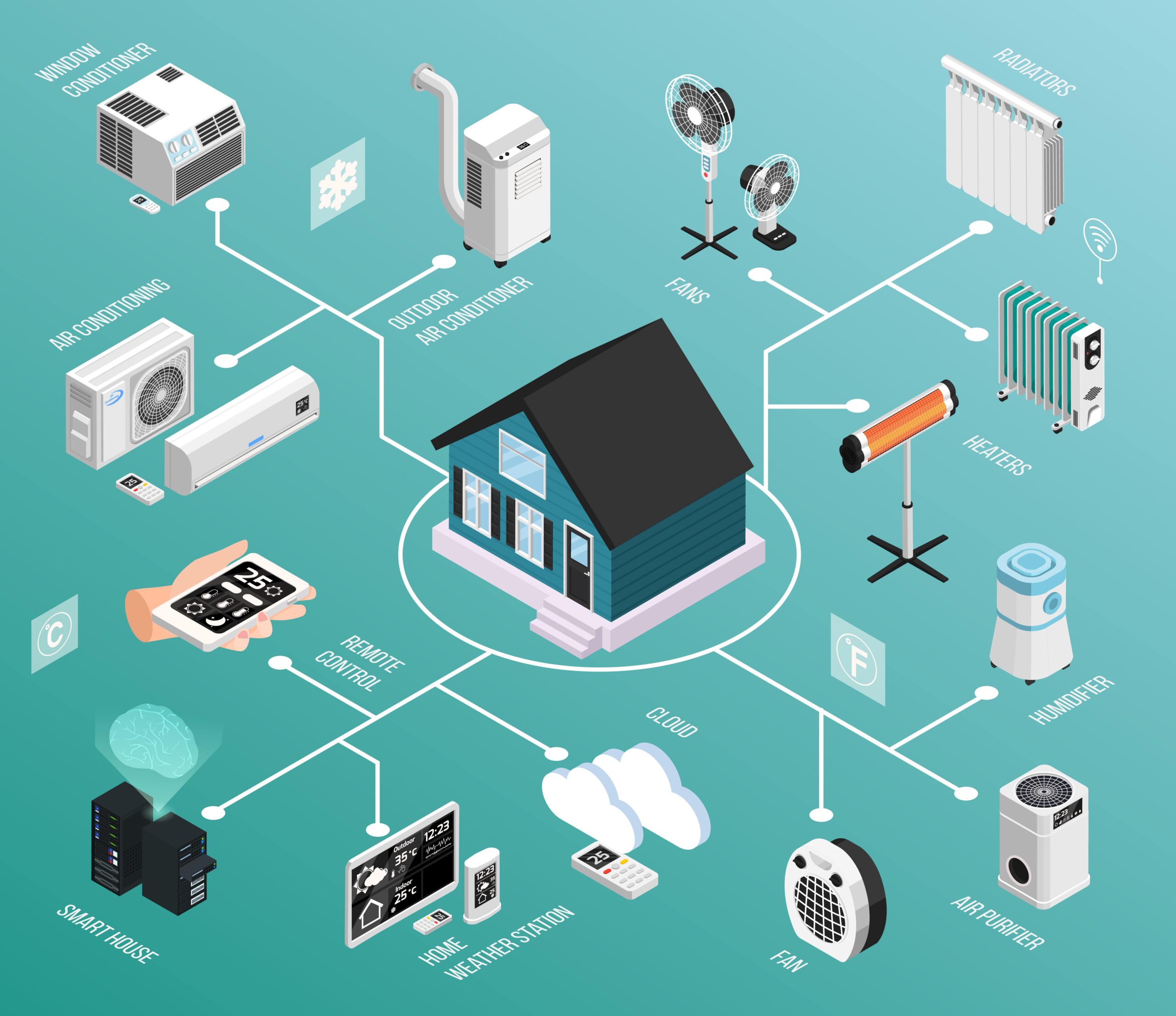
                                            How Can IoT Be Used In Home Automation?

Modern homeowners are increasingly craving more comfort, data security, and energy savings. In the same period, technology like IoT, AI, Wi-Fi, and cloud systems became highly available and, in addition to that, relatively affordable.

Among some major causes that are responsible for its rapid growth, following might be stated:

  • The increased use of smartphones and the internet
  • Luxury and convenience on tap
  • With increasing emphasis on security in homes,
  • energy efficient life style choices
  • Growth in the adoption of smart appliances and wearable tech.

Put together, these factors are forcing mainstreaming of Home Automation Trends rather than mere luxury add-ons.

Today, we are going to explore popular automation technology that influences home designs today.

1.Smart homes controlled by voice

Google Assistant, Amazon Alexa, and Siri have the ability to turn on/off lights, play or stop music, AC, or TV using voice commands. “Turn off the lights” or “Play my favorite song” are no longer in the realms of science fiction; they are a reality.

2.Smart Lighting Systems

Smart lights have an automatic brightness feature depending on the time of day or if there are occupants in the room. You can further control these lights from a distance, select moods, and program timers, helping you cut both energy and electricity expenses.

3.Automated security and surveillance

With regard to home security, technology has led to greater intelligence

These Trends in Home Automation provide assurance as to the security of your home regardless of whether you are present or away on vacation.

4.Energy-efficient climate control

Smart thermostats and air conditioners learn preferences and adjust temperature accordingly. They are very useful in energy conservation and keeping it cool.

5.Smart Kitchens & Appliances

Refrigerators that remind owners of grocery items, ovens that cook meals by preset settings, and dishwashers that change water level settings automatically are making kitchens “smart” work areas.

6.Home Entertainment Integration

Smart televisions, wireless speakers, and other streaming players offer home theatre solutions with remote control, mobile, or voice command functionalities.

                The Future of Home Automation – Corporate Locksmiths

The advantages of using home automation with new technology:


Automation promotes sustainable living through the reduction of power and resource wastage.

Is smart home automation costly?

One of the biggest misconceptions is that home automation systems can be used in luxury villas or high-end homes. The truth is that home automation is a modular process. You can begin with:

  • smart lighting system
  • Wi-Fi plug
  • simple security cameras

It may begin as a simple system and be developed into a complete home automation system. Modulated systems provide flexibility according to economic and requirement considerations.

             JSW Homes

How to get started with smart home automation?

And here are some simple steps for an amateur:


  • It locates priority areas: security, lighting, and energy saving.
  • The devices that are compatible must be selected.
  • ensure Wi-Fi connectivity is strong.
  • design integration of the same with phones or voice assistants
  • consult an automation professional service provider


Proper planning will ensure a smooth running and future expansion.

Conclusion

Home Automation Trends are transforming the modern-day home in an intelligent fusion of technology, comfort, and safety. Automation is set to become an essential part of tomorrow’s future-ready smart house—from basic lighting automation to total smart solutions. Tomorrow’s smart home will be smarter, friendlier, and customized to our needs as innovation hits new heights.

In fact, the smart home revolution has already begun. Are you ready to be a part of it? Follow Tuber Buddy!

FAQs

1. What are Home Automation Trends?

Home Automation Trends refer to the latest technologies and systems that automate and control home functions such as lighting, security, climate, and appliances.

2. Are smart homes safe and secure?

Yes. With encrypted networks, biometric locks, and real-time alerts, smart homes often provide stronger security than traditional systems.

3. Do smart home devices work without the internet?

Basic functions may work offline, but most automation features require internet or Wi-Fi connectivity for remote access.

4. Is smart home automation suitable for existing homes or only new ones?

Smart devices can be installed in both new and existing homes with minimal wiring changes.

5. Does home automation reduce electricity bills?

Yes. Energy-efficient appliances, smart lighting, and automated climate control reduce wastage and lower monthly power costs.