
Why Blockchain Technology Is the Future of Digital Trust
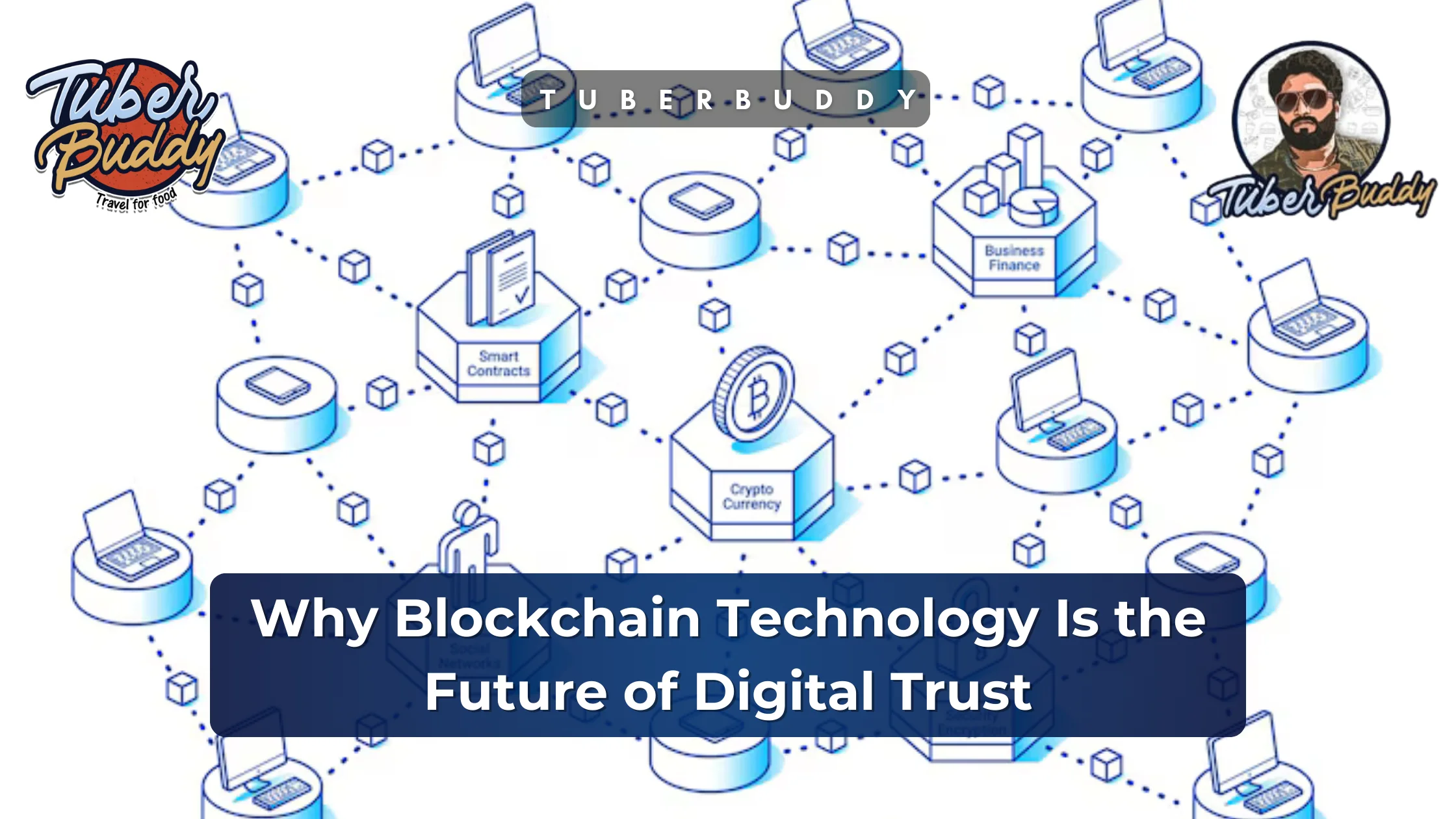
In the digital age, trust is one of the most important and vulnerable assets. We use systems we don’t have access to physically for everything from online transactions to the sharing of personal information, digital identity, and smart contracts. Blockchain technology is becoming an increasingly effective means of building trust online by removing unnecessary intermediaries and adding transparency and security to transaction records.
This post explains what blockchain is, how it operates, and how it will aid users in safeguarding their privacy and securing digital assets, thereby creating the conditions for the long-term success of digital trust.
What Is Blockchain Technology?
Blockchain is a decentralized, distributed digital ledger that records digital transactions across multiple computers in a secure and transparent manner. Unlike traditional digital systems that store data on a single, central server, blockchain uses a network of computers that act as nodes to record and verify all transaction data.
Each entry on a blockchain is referred to as a “block.” Each block includes transaction data, a timestamp, and a cryptographically secure verification of the previous block. Once a block is added to the blockchain, it is virtually impossible to change or remove, thereby ensuring the integrity and dependability of transaction records.
In other words, blockchain provides a mechanism for establishing confidence in data that is independent of any central authority.
Why Digital Trust Matters Today
As services continue moving online, users are being asked to trust their on-line platforms with:
- personal information
- financial records
- identity credentials
- digital assets
Traditionally, centralized databases (like the ones used by banks) place your trust in the company that operates them and make them vulnerable to:
- hacking
- data theft
- manipulation
- misuse
Blockchain solutions enable users to establish digital trust through technology rather than through companies or institutions.
How Blockchain Technology Functions
consensus.
Step 1: The User Commences a Transaction
The transaction occurs when a user transmits a record or value (e.g., payment) via the blockchain network (e.g., recording the transaction using a mobile app).
Step 2. Verification of the Transaction by Other Computers
The verification of a user’s transaction occurs within the blockchain network. A group of computers called “nodes” checks that your transaction follows the rules established by the system. This allows for multiple parties to verify your transaction, removing the need for a central authority to verify the transaction.
Step 3. Creation of a Block
Verified transactions are assembled together into a block. Each block contains a unique cryptographic identifier and directs a user to the previous block.
Step 4. Adding the Block to the Chain
Following verification and establishment of consensus, the block is added to the chain of blocks and subsequently cannot be modified.
The blockchain creates accurate records at every stage of transaction.
How Blockchain Builds Digital Trust
There are three main characteristics of blockchain technology that create trust in a digital medium:
- Transparency
- Immutability
- Decentralization
Every transaction recorded onto the blockchain is public for all members of the blockchain network to see. Because of this level of openness, it’s impossible for anyone to commit fraud or hide information on that blockchain, thus establishing trust through the visibility of all transactions.
Once a transaction is written to a blockchain, that record can’t easily be changed or erased. Therefore, the history of all transactions recorded to date will remain accessible over time to all members of the Blockchain Network as reliable and accurate.
Control is not vested in one particular entity with regard to a blockchain. Because no one entity has control over the blockchain, there is less chance for manipulation, censorship, or any form of failure.

How Blockchain Helps Improve Privacy
Although blockchain is public and transparent, the architecture of blockchain ensures that the data of users will always be protected.
Data Encryption
Blockchain encrypts its data using advanced cryptography techniques. Therefore, all sensitive information of users, such as credit card numbers, is secure, and only the user(s) who have been authorized can view it.
Pseudonymity
Users of the Blockchain Network don’t have to use their real names to transact. Instead, they create a digital address, which protects their identity and still offers transparency of all transactions.
User-Controlled Data
Users control their own data on the blockchain and can choose what data to disclose and to whom.
Reduced Data Breaches
As a result of being distributed and not stored in one central location, blockchain networks are not as susceptible to large-scale data breaches as traditional databases.
Real-World Applications of Blockchain for Trust
The use of blockchain technology has already begun to improve trust in many industries with numerous types of uses.
Here are some examples of blockchain applications that demonstrate how blockchain technologies are helping to change the way industries view and use trust.
- Financial transactions with secure and transparent record-keeping
- Supply chain management for tracking product authenticity
- Digital identity systems that prevent identity theft
- Healthcare records with secure and controlled access
- Smart contracts that execute agreements automatically without intermediaries
The examples above demonstrate that blockchain technologies have the potential to change the definition of “trust” in various sectors.
Challenges Blockchain Still Faces
Even though blockchain technology provides many advantages, it also has limitations.
- Currently, one of the main issues associated with blockchain technologies is their scalability when deployed in industry-wide networks where large numbers of participants interact with each other.
- Some blockchain implementations also have high energy use associated with them.
- There is currently a great deal of regulatory uncertainty surrounding the use of blockchain technology in many countries.
- Some users may have difficulty understanding how to use blockchain, as many blockchain applications have complex functionality.
However, as innovation continues, so does the advancement of blockchain technology and the potential for it to be added to the mainstream of technology.
Why Blockchain Is the Future of Digital Trust
Trust has been institutionalized; when we begin to think of technology as a vehicle of our trust, we are able to build systems on the foundation of the technology. The merging of all three characteristics together leads users to a place they can interact without manipulation or misuse.
Blockchain will play a major role in the future of creating secure, privacy-centric, and trust-centric environments as we continue to increase our digital interactions.
Conclusion
Blockchain technology is changing the way we think of trust in the digital landscape. The reliability and trust in blockchain provide a strong foundation for online system development with secure data storage, transparency in transactions, and effective privacy controls.
As businesses adopt the technology and expand its use, blockchain will continue to change how we view trust as part of the digital ecosystem and have embedded trust within our systems, thereby not having to assume it.
If you like to know more about technology, travel, food, health, and lifestyle, visit Tuber Buddy.
Frequently Asked Questions (FAQs)
What is blockchain technology in plain English?
Blockchain is an encrypted and distributed database that keeps track of data on computers in different locations so that it cannot be changed after it has been entered into the system.
What are the ways blockchain builds trust?
Blockchain provides confidence through transparency, immutability, and decentralization. Because of this, blockchains are difficult to alter.
Is blockchain all about privacy?
Blockchains provide privacy through pseudonymity and cryptography, although transaction details can still be publicly accessible depending on how the network has been designed.
Can blockchain stop data breaches?
Blockchains can mitigate the risk of large-scale data breaches by eliminating the presence of centralized locations to store data.
Why is it necessary to understand blockchain now and in the future?
Understanding blockchain will enable individuals and businesses to interact with one another securely and transparently, ensuring the development of next-generation technologies and services within the Internet environment.