
Today, there are many individuals who are leading a healthier lifestyle through making healthier dietary decisions. One of the main changes that many individuals are undergoing is shifting to vegan and plant-based diets. The reason for plant-based eating being important is that apart from enhancing individual wellness, it enhances the health of the environment.
When individuals undertake plant-based diets, it means that individuals have to consume a healthy balance of fruits, vegetables, whole grains, nuts, and many other nutritious items that help maintain an individual’s health. This is because regardless of whether individuals go vegan or take up one plant-based meal in their diets, the results will always be positive.
The Concept of Plant-Based and Vegan Foods
Plants constitute the source of plant-based food which consists of nutritional elements such as vegetables, fruits, grains, legumes, nuts, and seeds. Vegetarians do not use any product obtained from animals, including meat, eggs, dairy, and honey in their meals.
Although both strategies have in common that they encourage healthy lifestyle choices, they generally presuppose that the person is ready to commit to Healthy Living more extensively.
Plant-based dishes today are no longer limited to being boring and monotonous because innovative ways of cooking, various food products, and culinary practices can enrich the meals of vegetarians.
Why Plant-based Diet Helps in Leading a Healthy Lifestyle?
- Nutrient-rich Food
Components in plant-based foods include:
- Vitamins
- Minerals
- Fiber
- Antioxidants
- Good fats
All the nutrients mentioned above play an important role in maintaining a healthy digestive system, immune system, heart, and energy levels. Colorful foods are known to contribute to the provision of nutritional values by the body.
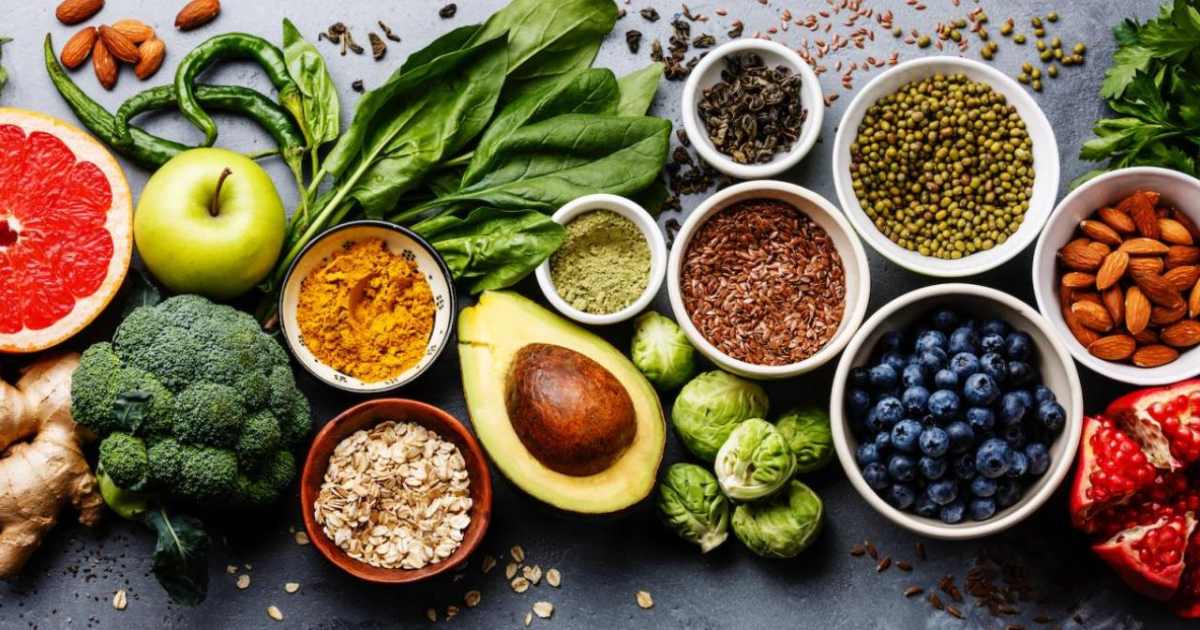
Examples of natural foods that are helpful in promoting healthy living include:
- Spinach
- Broccoli
- Berries
- Oats
- Quinoa
- Almonds
- Lentils
- Maintains a Healthy Heart
Among the major health issues facing many people is heart disease. It has been proven scientifically that people who rely on plant-based food have less cholesterol level and high fiber.
The following are some of the health benefits obtained from taking a plant-based diet:
- Reduced blood pressure
- Reduces cholesterol
- Promoting heart functions
Taking a plant-based diet is another strategy for leading a healthy lifestyle.
- Contributes to Normal Weight of the Body
Many plant-based foods contain fewer calories but provide high fiber contents. Consequently, a person feels satisfied and eats less than usual for a longer time. The loss of body weight does not always indicate that the person suffers from poor diet nutrition.
A sufficient amount of vegetables, fruits, legumes, and grains in a diet contributes to providing the organism with energy without overeating and consuming snacks.
Combination with physical exercises and drinking plenty of water might lead to balanced nutrition.
- Facilitates Proper Digestion
Proper digestive system functions require enough fiber intakes, and the vegan diet allows satisfying these needs of the body. As a matter of fact, digestion is one of the most significant processes in the organism, affecting our metabolism.
These are some examples of food products which facilitate proper digestion:
- Grains
- Green vegetables
- Chia seeds
- Legumes
- Fruit.
Healthy digestion processes are one more vital feature contributing to Healthy Living.

- Provides Increased Energy
It is evident that individuals who follow healthy eating practices have found an increase in their energy levels and performance. The foods that are included in a vegetarian diet are rich in nutrients and aid in improving body functioning.
An optimal way of eating can help you experience improvements in:
- Concentration
- Mood
- Productivity
- Fatigue
Nutrition plays a key role in living a healthy life.
Sustainability of Plant-Based Food Items
Leading a healthy life also includes being eco-friendly, other than following a healthy lifestyle. It is believed that plant-based foods are more sustainable compared to the animal-based foods consumed in a traditional dietary plan. There are several factors due to which a vegetarian lifestyle is environmentally healthier, including:
- Reduced carbon emissions
- Water conservation
- Pollution reduction
Some Quick Tips For Following A Plant Based Lifestyle
One doesn’t have to adopt a plant-based lifestyle instantly. Instead, one should start adopting in small steps that would allow him/her to make gradual changes in his/her nutrition.
- Start Making Small Changes
- Eat more vegetables
- Replace processed foods with fruit and nuts
- Opt for plant-based milk
- Add legumes and beans in your meals
- Explore new vegan recipes
What Your Healthy Plant Based Life Should Include
Your healthy plant-based lifestyle should be full of:
- Protein
- Grains
- Fats
- Vitamins and Minerals
These are some common plant-based proteins sources:
- Lentils
- Chickpeas
- Tofu
- Tempeh
- Quinoa
- Nuts and Seeds
With balanced nutrition, you ensure your body has enough energy. This ensures you live a healthy life.
Plant-Based Food Trends Now
New things come up all the time in the exciting world of plant based food.
- Popular Plant-Based Foods
- Vegan protein bowl
- Non-dairy desserts
- Plant based burgers
- Millet dishes
- Smoothie bowls
- Vegan snacking
- Organic food preparation
- Vegan Indian cuisine
Many restaurants are joining the trend of offering plant-based options.
Why Is It Important To Adopt Mindful Eating into Your Lifestyle?
Health comes from making healthy decisions when selecting foods, which means establishing connections with your food choices.
Mindful eating tips include:
- Eating slowly
- Listening to your body
- Eating whole foods
- Not eating processed foods
- Managing portions
With a healthy eating plan with plants, adopting mindfulness means that you will be even healthier.

Common Misconceptions About Vegan Nutrition
Misconception #1: Vegan Foods Cannot Supply Sufficient Proteins
Many sources of proteins exist within plant-based diets, such as legumes, beans, lentils, tofu, seeds, and quinoa.
Misconception #2: Being Vegetarian Is Very Expensive
Vegetables, rice, beans, cereal, and fruits are cheap plant-based foods.
Misconception #3: Plant-Based Food Has No Flavor
Flavored plant-based food exists in many flavors around the world.
Conclusion
The inclusion of plants and vegan products in one’s Healthy Living regime is becoming increasingly popular in today’s world due to the wide range of benefits that they provide, including heart disease prevention, easier digestion, energy, sustainability, among others.
Healthier food practices do not necessarily require drastic measures but rather simple steps which, if practiced regularly, will yield favorable outcomes to one’s physical and psychological state.
As interest in health and nutrition increases across the globe, plant-based diets are allowing people to live healthy and sustainable lives by incorporating whole and nutritious foods into their meals.Follow Tuber Buddy for more Interesting Blogs.
FAQs
1. What is a plant-based diet?
A plant-based diet focuses mainly on foods derived from plants, including fruits, vegetables, grains, legumes, nuts, and seeds.
2. Is vegan food healthy?
Yes, balanced vegan diets can provide essential nutrients and support heart health, digestion, and overall wellness.
3. How does plant-based eating support Healthy Living?
Plant-based diets help improve nutrition, energy levels, digestion, weight management, and long-term health.
4. Can I get enough protein from plant-based foods?
Yes, foods such as lentils, beans, tofu, nuts, seeds, and quinoa are excellent plant-based protein sources.
5. Is plant-based food good for weight loss?
Many plant-based foods are high in fiber and lower in calories, which can support healthy weight management.
6. Are plant-based diets expensive?
Plant-based diets can be affordable when focusing on whole foods like vegetables, grains, legumes, and fruits.
7. What are some beginner-friendly plant-based foods?
Oatmeal, smoothies, salads, lentil curries, vegetable stir-fries, and fruit bowls are easy plant-based meal options.
8. Why are plant-based diets becoming popular?
People are choosing plant-based diets for health benefits, sustainability, ethical reasons, and healthier lifestyle choices.