
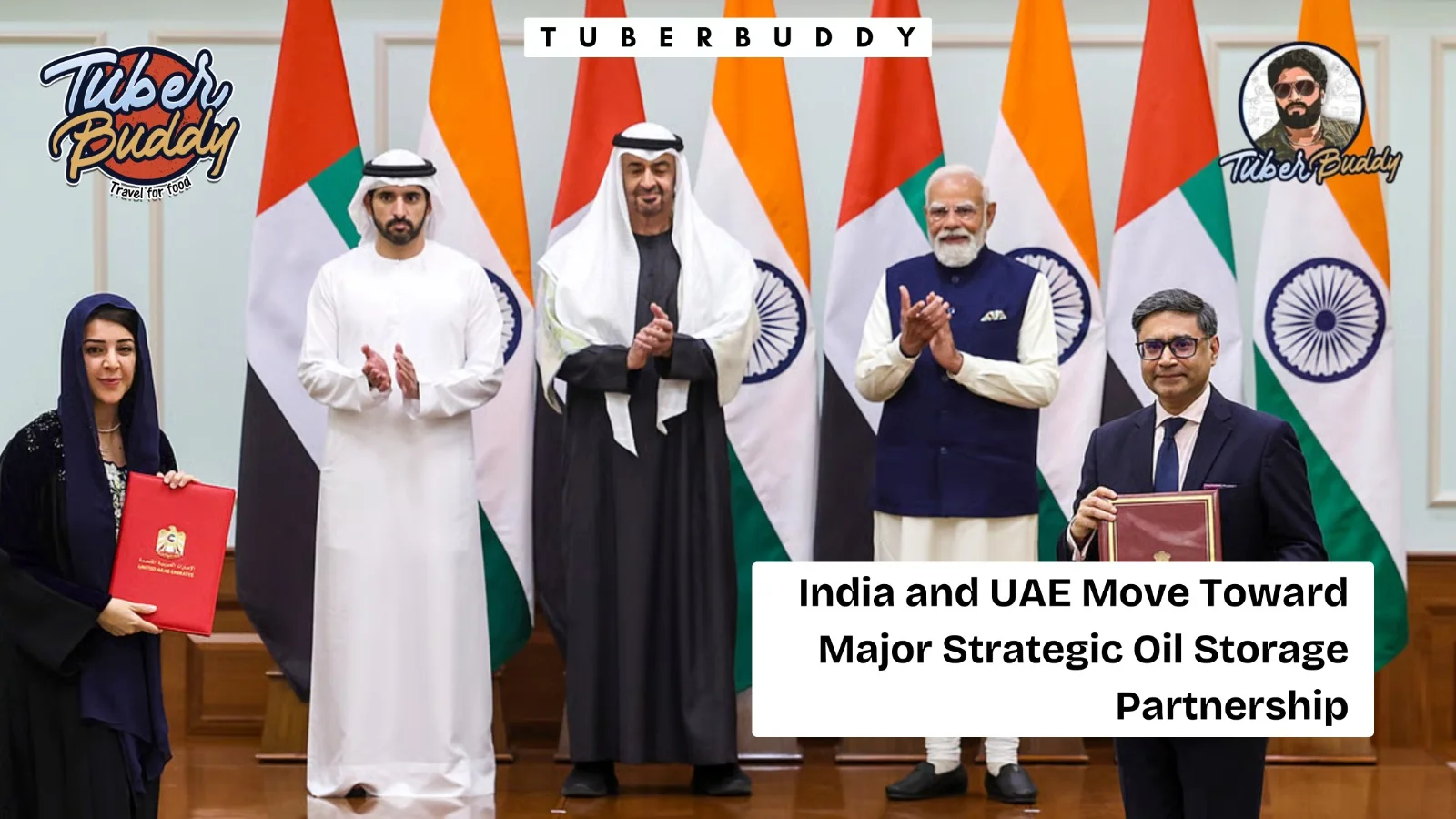
The increasing collaboration between India and the United Arab Emirates has now entered a new stage where negotiations are being held on strategic petroleum reserves, liquefied petroleum gas (LPG), and long-term energy security. With the global oil markets becoming increasingly unstable owing to various factors, India and the UAE have stepped up their collaborations to provide energy security.
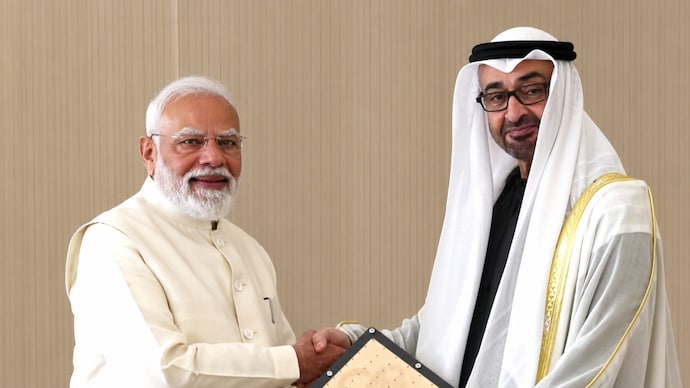
It appears from recent news that soon after PM Modi’s visit to Abu Dhabi, India and UAE will be signing vital agreements pertaining to strategic petroleum reserves (SPR) and energy cooperation.
This is more than just an agreement on oil. It signifies a greater economic and geopolitical strategy that may change many dynamics in the region in relation to energy partnerships and trade.
Explaining the India-UAE Energy Partnership
The cooperation between India and the UAE has changed a lot over the past ten years. While previously it was a straightforward buyer-seller relationship concerning energy products, currently it includes an array of areas from energy to trade, infrastructure, defense, technology, and investments.
In general, the UAE is one of the largest energy providers for India, including oil and gas supplies. As per the latest data, the UAE ranks fourth in terms of delivering India with crude oil and second in providing LNG and LPG.
India itself can be considered one of the countries with growing energy consumption levels. Thanks to the fast development of industry, cities, transportation, and manufacturing, the future holds more growth in energy consumption.
It makes cooperation with stable oil-producing countries such as the UAE vital.
Strategic Petroleum Reserves
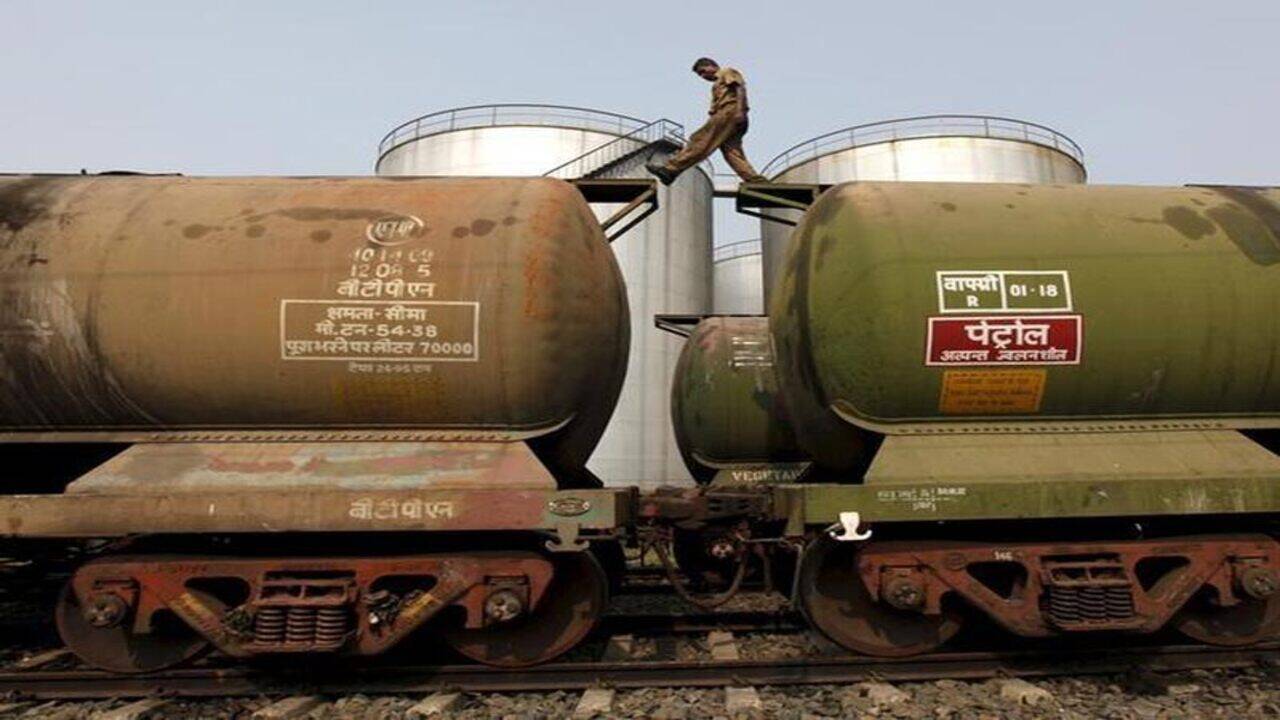
A strategic petroleum reserve refers to an emergency storage of crude oil, held by countries, as a safeguard against any supply disruption, conflict, or severe changes in the prices of oil.
Some of the circumstances for which strategic petroleum reserves serve as emergency buffer stocks include:
- War in oil-exporting nations
- Disruption in international transportation
- Economic sanctions
- Production disruption
- Natural calamities
- Market fluctuations
There has been an increase in the construction of strategic oil reserve storage in India, making it less susceptible to disruptions in the oil market globally.
The country currently holds emergency crude oil stockpiles, through facilities managed by Indian Strategic Petroleum Reserve Limited (ISPRL), equivalent to roughly providing around 21 days of emergency crude coverage.
Why Does India Need Oil Storage Collaboration?
India sources more than 88 percent of the required crude oil from foreign nations, thereby energy security becoming a prime concern of India.
There are various reasons behind India’s need to strengthen oil storage partnerships:
1.Geopolitical Instability in the Middle East
The continuous disputes and instabilities in West Asia have caused threats to the supply chain of oil.
2.Fluctuating Oil Prices
The fluctuation in oil prices can be attributed to shifting OPEC policy decisions, reduction in oil production, etc.
3.Effects of the Russia-Ukraine War
The sanctions on the countries involved in the conflict and the changes in international trade relations have changed the route for crude oil supplies, causing India to look for alternative sources of crude oil.
4,Increased Domestic Requirement
The domestic requirement of oil has increased with the growth of the economy for transportation, production, power generation, and other purposes.
Importance of the UAE to India in its Strategic Planning
The UAE is of utmost importance strategically to India.
Consistent Supplying Country
It has been supplying oil and LNG to India while maintaining a steady relationship.
Proximity
Because of its location, the distance to India and transportation costs are minimal when compared to other countries.
Opportunities for Investment
Energy firms from the UAE have started investing in energy infrastructure in India.
State-of-the-Art Energy Infrastructure
The UAE boasts state-of-the-art infrastructure in terms of storage and exporting capabilities.
This makes the UAE a natural choice in partnership with India on strategic petroleum reserves.
The Strategic Oil Storage Agreements Coming Up
It is believed that India and the UAE are negotiating agreements with the following areas of focus:
- Oil storage cooperation
- LPG supply agreements
- Energy security for the long term
- Infrastructure cooperation
The negotiations would be held during the upcoming visit of Prime Minister Narendra Modi to the UAE.
Such agreements can substantially enhance India’s capability to stockpile oil reserves in case of emergencies while providing a business opportunity to UAE energy companies.
ADNOC’s Participation in India’s Oil Reserves Plan
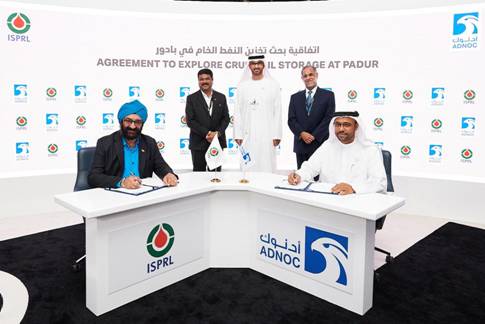
Another key player in this partnership is the Abu Dhabi National Oil Company (ADNOC).
ADNOC currently holds a strategic position in the petroleum reserve plan of India. Earlier, ADNOC signed an agreement with ISPRL granting the company access to the Mangaluru SPR terminal of India.
This has established a model that benefits both countries:
- India’s Gains
- Better utilization of reserves
- Availability of more emergency crude oil
- Reduction of infrastructure costs
- Enhanced energy security
- Gains for UAE and ADNOC
- Access to the Indian market
- Efficient crude oil distribution in Asia
- Business flexibility
The new agreements may expand this successful cooperation model.
Benefits of Strategic Oil Storing for India
Security of Energy Supply
The greatest benefit is safety from global supply problems.
Price Stability
Reserves give the possibility to minimize the effect of rapid price fluctuations on the international market.
Contingency Planning
Strategic reserves guarantee uninterrupted fuel supplies in case of any emergency situations.
Economic Stability
Energy stability ensures industrial output and transport operations functioning.
Greater Power in the International Community
States having strategic oil reserves possess higher political and economic power.
Economic Gains for UAE
It brings equal benefits to the UAE as well.
Market Access
India is one of the most dynamic energy markets in the world.
Financial Security
Strategic storage contracts mean long-term financial gains.
Greater Presence in Asia
UAE will be able to reinforce its leadership in the energy sector within Asia.
More Trade Opportunities
This cooperation will help to expand further trade relations.
Bilateral trade between India and the UAE has already crossed major milestones and continues to grow rapidly.
Effects on Global Oil Markets
A few possible impacts of the strategic alliance between India and the UAE on global oil markets have been identified.
Lower Reliance on Historical Oil Cartels
Any recent talks regarding the shifting relationship between the UAE and the OPEC can provide India with alternative supply channels.
Increased Cooperation in Asian Energy
The strategic oil deal will bolster energy cooperation within the region which does not fall within conventional Western supply chains.
Better Stability of Supplies
Regional cooperation for reserve pooling and storage will minimize supply disruption risks during emergencies.
Development of Strategic Petroleum Reserves in India
India is making efforts to build up its strategic petroleum reserves.
India has enough strategic petroleum reserves along with commercial stockpiles which give considerable protection against supply shortages. The current Indian government reports that India maintains strategic and commercial fuel stocks sufficient to cover 60 days worth of oil supplies.
India has increased its efforts to explore for new reserves and enlarge existing reserves.
Possible plans in the future include:
- Construction of new underground reserves
- Establishment of public-private ventures
- Development of international storage capacity
- Cooperative reserve management systems
- LNG storage facilities
The Geopolitical Significance of the Collaboration
India-UAE energy collaboration goes beyond economic considerations.
There are other strategic elements of importance in:
- Maritime security
- Stability in the region
- Diversification of trade
- Technological collaboration
- Infrastructure development
- Renewable energy collaboration
With increasing transformation of global energy systems, countries are forming regional alliances to ensure supply chain security and minimize vulnerabilities.
The India-UAE collaboration appears set to be one of the most significant energy collaborations in the Indo-Pacific and Middle East regions.
Challenges Ahead
Energy collaboration presents significant benefits, but there are also challenges.
Global Oil Price Instability
Fluctuations may impact the strategic reserves management process.
Geopolitical Threats
Wars in the Middle East could jeopardize the supply route.
Infrastructure Expenses
Developing and maintaining the SPR infrastructure requires substantial financial resources.
Pressure from the Energy Transition
The worldwide trend towards renewable energy sources may change demand for fossil fuels.
Nevertheless, despite the ongoing transition to clean energy, oil and gas are likely to remain vital for decades to come, particularly in fast-growing nations like India.
Future Prospects
There seems to be bright prospects for future cooperation on energy between India and UAE.
Some possible outcomes can include:
- Enhanced SPR Cooperation
- Long-term LNG Supply Agreements
- Joint Investment in Refineries
- Collaboration on Green Hydrogen
- Cooperation in Renewable Energy Sector
- Exchanging Latest Energy Technologies
Given the increasing relations economically and strategically, energy security is likely to be a key factor in these future relations between the two states.
Indeed, the coming SPR agreements can be seen as an important step in this direction.
Conclusion
The emerging partnership of India and UAE in the sphere of strategic oil storage is reflective of increasing relevance of energy security in the contemporary global context.
This partnership provides India with more security and stability while enhancing its energy security. At the same time, UAE gets commercial opportunities in the process and increases its strategic significance in the Asian region.
Most importantly, the India-UAE strategic oil storage partnership marks the changing trends in international energy diplomacy where states cooperate not just to trade energy but also to achieve some strategic advantage.
Thus, as the world faces rising geopolitical tensions, energy volatility, and increasing demand for energy resources, this partnership might serve as an example for becoming a model for future international energy cooperation.
FAQs
1.What is the India-UAE strategic oil storage partnership?
It is a proposed energy cooperation initiative between India and the UAE focused on strategic petroleum reserves, LPG supply, and long-term energy security.
2.Why are strategic petroleum reserves important?
Strategic petroleum reserves help countries manage fuel shortages during emergencies, geopolitical conflicts, or global supply disruptions.
3.Why is the UAE important for India’s energy security?
The UAE is one of India’s largest oil and LNG suppliers and offers reliable energy supplies, geographic proximity, and strong infrastructure capabilities.
4.What role does ADNOC play in India’s petroleum reserves?
ADNOC has previously partnered with India’s ISPRL to store crude oil in India’s strategic reserve facilities.
5.How much oil does India import?
India imports nearly 88% of its crude oil requirements.
6.What are the benefits of strategic oil reserves?
They provide emergency fuel access, reduce supply risks, stabilize prices, and improve national energy security.
7.Will the India-UAE partnership affect global oil markets?
Yes, stronger regional energy cooperation may improve supply stability and reduce dependence on traditional oil production structures.
8.Is India expanding its strategic petroleum reserve capacity?
Yes, India is actively expanding storage infrastructure and increasing emergency fuel reserves to improve energy security.