There are sources of stress in a
To control stress, one needs to begin with understanding the causes.
1.The blurring of boundaries
Telework involves this situation where emails, text messaging, or assignments encroach upon personal life, thus affecting rest and leading to burnout.
2.Communication overload
Video conferencing, chatting, and email communication can be really overwhelming, especially when employees have to respond to messages immediately.
3.Unpredictability – Routine
Some workers might need the structure that comes with working in the office environment every day. There could be disruptions in consistency and work patterns between working from home and working
4.Social Disconnect
The days of working from a distance may limit casual encounters and could generate loneliness and lower team cohesion.

The following are practical ways to maintain internal balance for a well-adjusted imagination:
Create a planned daily routine
Establish fixed working hours whether in the office or at home. This will help your mind transition in and out of work mode, thereby reducing burnout.
Create a dedicated workspace
Conduct work only in a particular region within the house to separate psychologically work and personal life. Avoid conducting work in a bedroom or noisy surroundings.
Take micro-breaks
Take short breaks to boost concentration and reduce stress levels. Take stands or stretching exercises every 60 to 90 minutes.
Communication should be simple and clear
Communication should be straightforward and simple and involve emails and meetings to avoid common misunderstandings in a Hybrid Working Environment.
Make your goal positive
Break down tasks into smaller milestones. It’s a great motivational booster and can eliminate last-minute stress.
Take care of yourself every day
Sleep, exercise, hobbies, and socializing are necessary, not niceties.
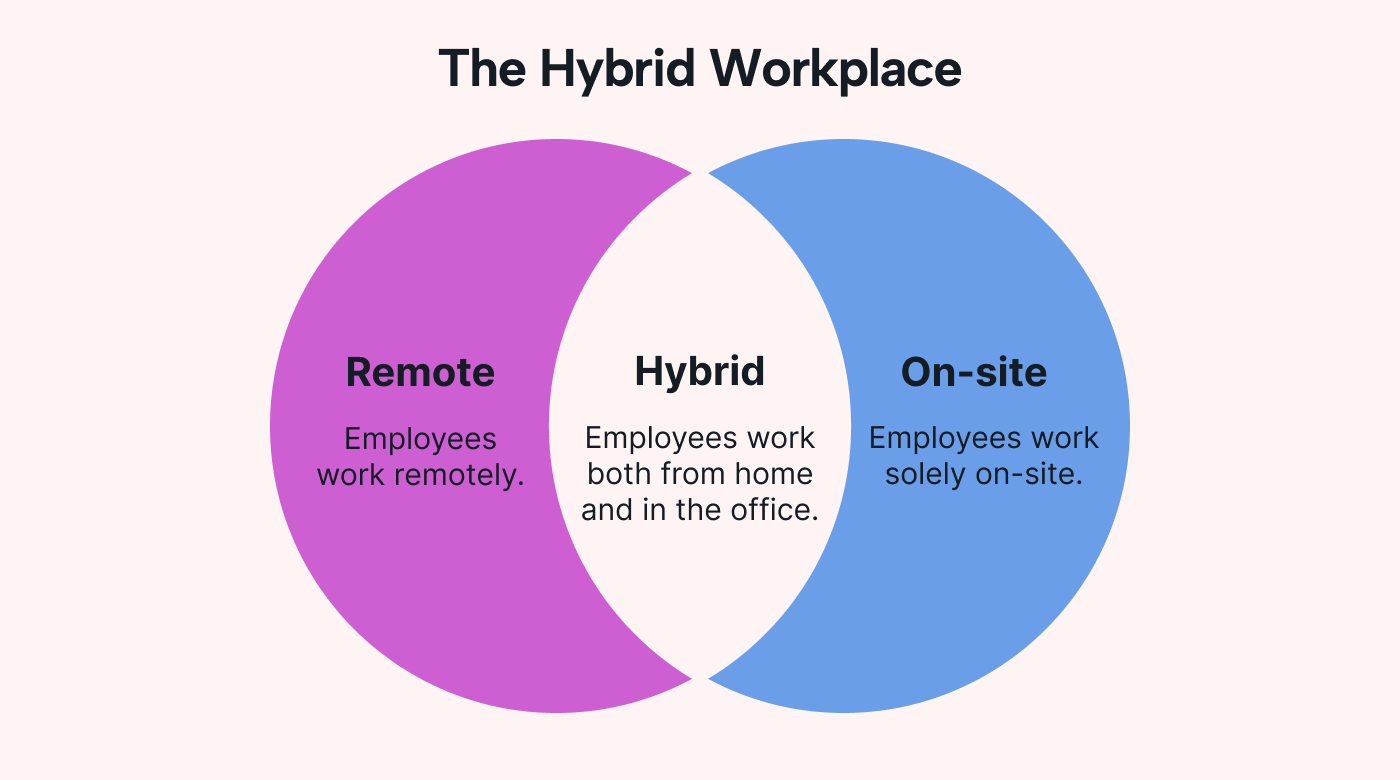
Stress and productivity go hand in hand. Less stress is usually followed by greater efficiency and creativity.
Plan the day
Use To Do lists or electronic planners. Schedule essential work at peak energy times.
Avoid distractions
Turn off unnecessary notifications during deep work sessions. Let your family know your work hours when working at home.
Collaborate effectively
Make effective utilization of collaboration tools and shared documents to track the progress of work when working in a team of which half of the members work from a distance.
Focus on outcomes, not hours
Measure productivity based on results instead of screen time.
Learn to Say ‘No’
Overcommitting = burnout. Watch your bandwidth.