
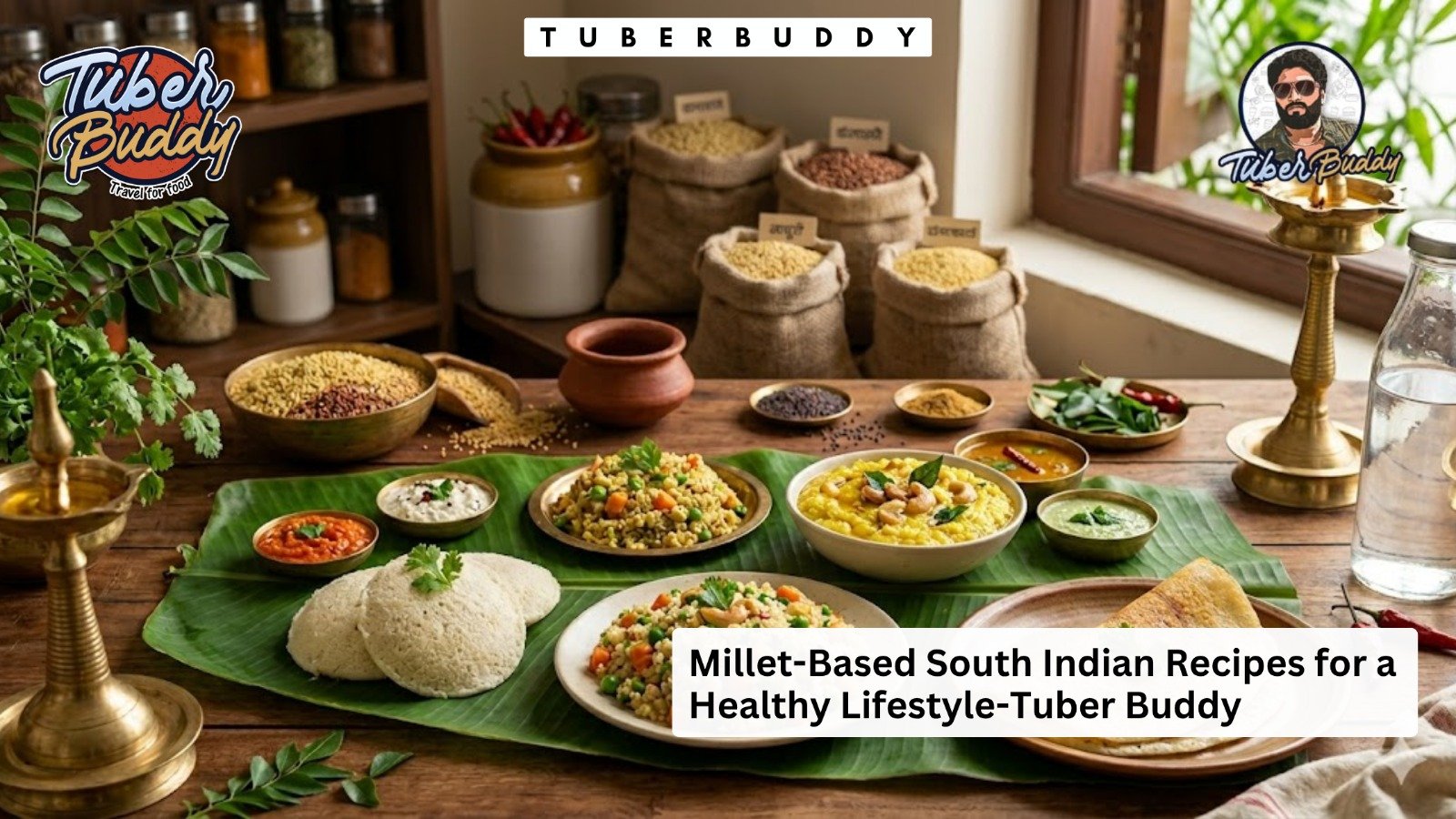
In the current world, there are people who eat healthy food, especially traditional foods. Some of the foods are becoming superfoods, and one of them is the millet. People know the nutritional value and taste of millets; hence, it plays an important role in their South Indian recipes. There are various recipes which are prepared using different types of millets, and they contain various nutritional values. This article talks about the importance of the recipes made by using millets.
What Are Millets?
Millets are small seeded crops, and they have a nutritional value. They do not have any gluten, and they can be considered superfoods because they have many environmental benefits. Millets are becoming popular in the world because people are aware of the benefits of taking them.
Types of Millets in South Indian Cuisine
Millet Name | Regional Name | Benefits |
Finger Millet | Ragi | Rich in calcium and iron |
Pearl Millet | Bajra | Boosts heart health |
Foxtail Millet | Thinai | Aids digestion and weight loss |
Little Millet | Samai | Controls blood sugar |
Kodo Millet | Varagu | High in antioxidants |
Barnyard Millet | Kuthiraivali | Ideal for fasting and dieting |
Barnyard Millet | Panivaragu | Supports metabolism |
There are more kinds of millets, and they can easily replace rice.

South Indian Dishes Prepared Using Millets
Their Health Benefits
- Nutritional
The diet contains a lot of proteins, vitamins, dietary fiber, and minerals like iron, magnesium, and phosphorus.
- Helps Lose Weight
Because of the presence of a lot of dietary fiber in the diet, one feels full, which prevents overeating and thus helps lose weight.
- Blood Sugar Management
Its low glycemic index makes it healthy for diabetic patients.
- Good for Heart
Millets help control bad cholesterol and protect your heart.
- Gluten Free and Digestible
It is an excellent source for gluten-intolerant persons facing digestive issues.
- Enhances Immune System
The antioxidants found in them help boost the immune system.
- Eco-friendly
Millets are environmentally friendly due to their drought and water conservation abilities.
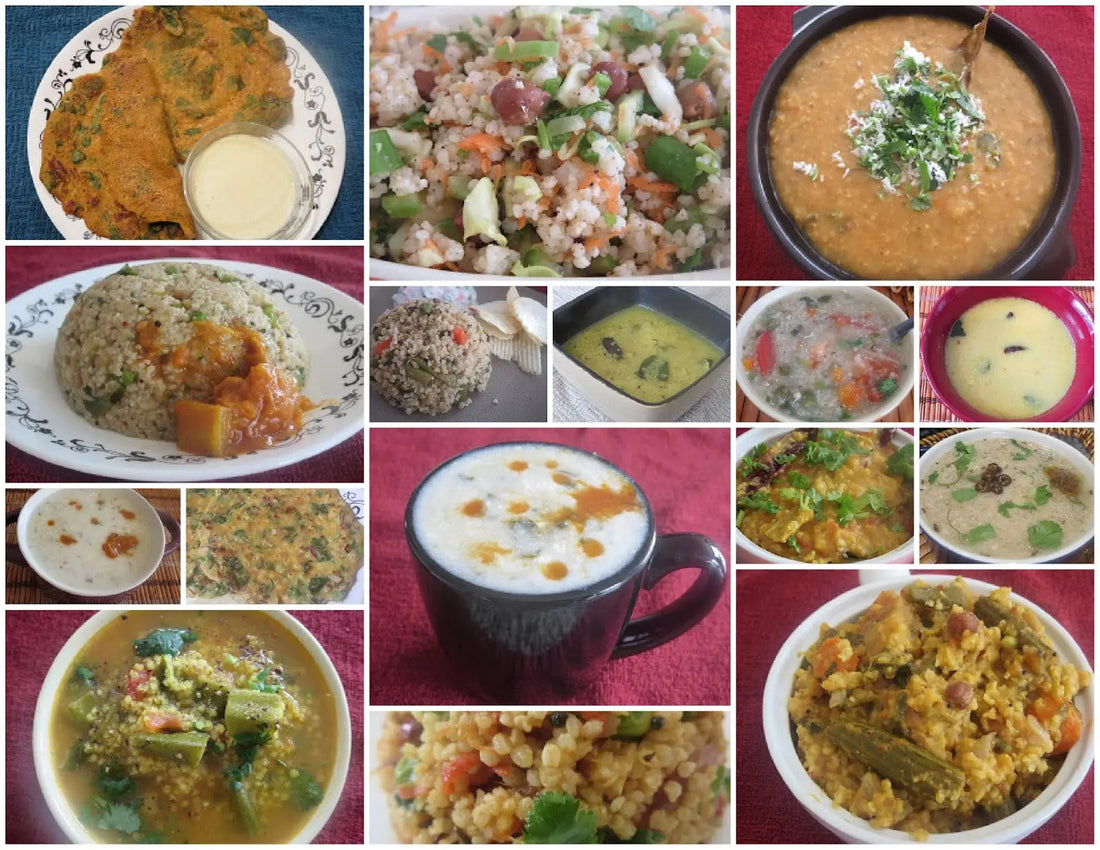
South Indian Recipes made from Millets
- Foxtail Millet Idli
They are healthier than conventional idlis and are also softer and fluffier.
Ingredients:
- 1 cup foxtail millet
- ½ cup urad dal
- 1 teaspoon fenugreek seeds
- Salt
Procedure:
Soak the above individually for 6 hours.
- Grinding should be done to prepare batter.
- Keep the batter overnight.
- Batter should be added to idli mold and cooked for 10 – 12 minutes using a steamer.
- Best served hot along with chutney and sambar.
Health benefit: Highly nutritious because of high protein content.
- Ragi Dosa
This is tasty and crunchy. It provides calcium in a good amount.
Ingredients:
- 1 cup ragi flour
- ½ cup rice flour
- ¼ cup semolina
- 1 onion (cut into pieces)
- Green chillies
- Curry leaves
- Salt
- Water
Procedure:
- The above mixture should be mixed together to make batter.
- Spread batter on hot pan.
- Add some oil to cook.
- Serve hot with chutney.
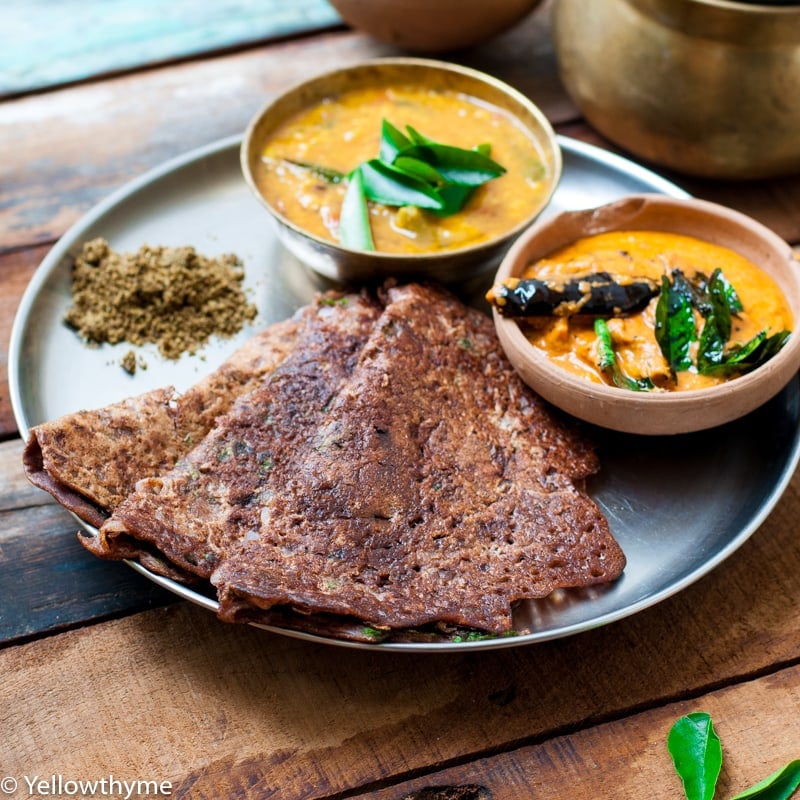
Health benefit: Good for bone health and easy digestion.
- Little Millet Pongal
Nutritional and delicious breakfast with protein content.
Ingredients:
- 1 cup little millet
- ½ cup moong dal
- Black pepper, cumin seeds, ginger
- Curry leaves, cashews, and ghee
Process:
- Fry the moong dal lightly.
- Make preparation inside the pressure cooker with the help of millet and water.
- Sauté the ingredients in ghee and add together.
- Serve warm.
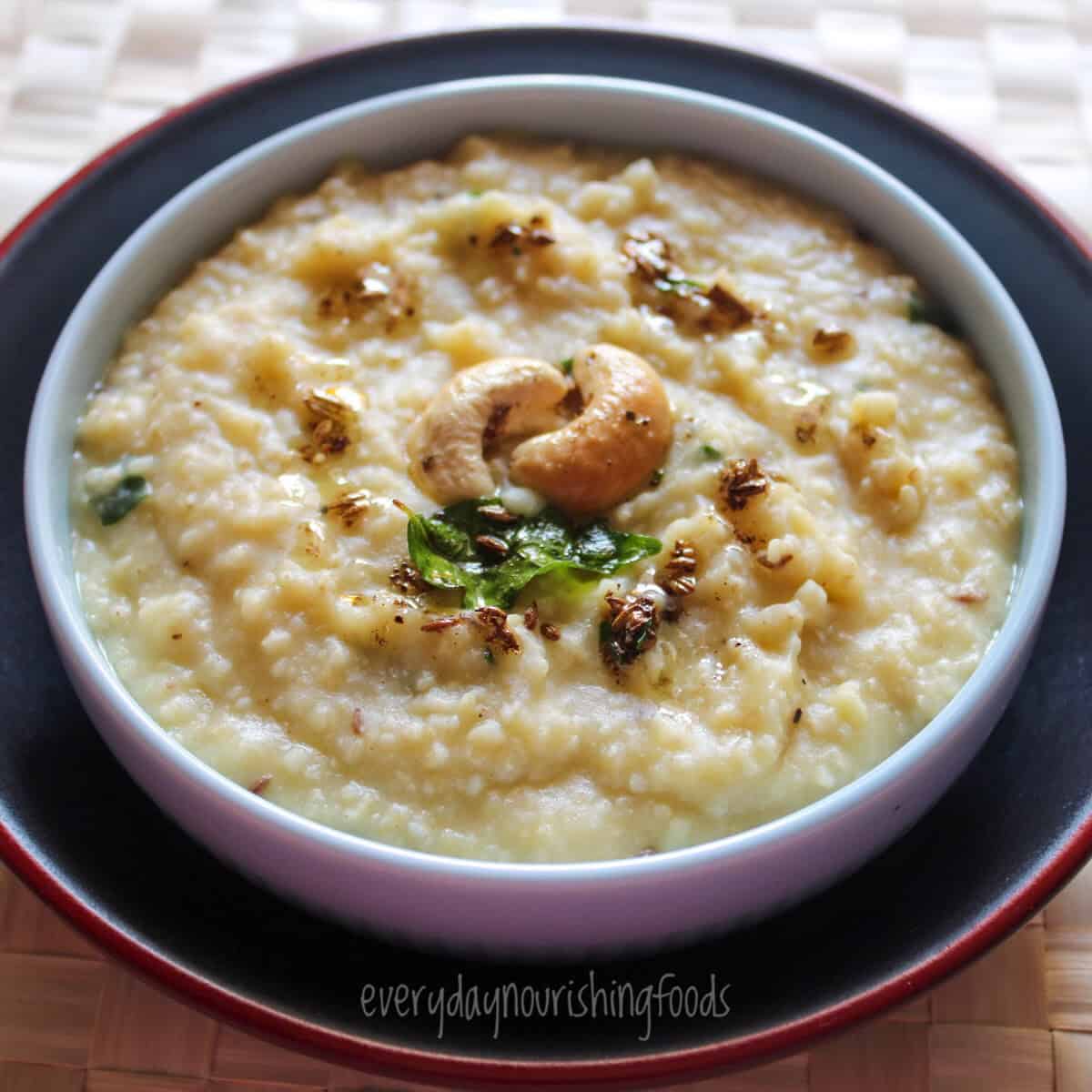
Benefit for health: Nourishing, warming and suitable for diabetes patients.
- Kodo Millet Upma
Quick and wholesome dish best suited for mornings.
Ingredients:
- 1 cup kodo millet
- Mixed vegetables
- Mustard seeds, urad dal, curry leaves
- Chili green and onions
Preparation:
- Roast the millet dry.
- Sauté the spices along with vegetables.
- Add water to make upma.
- Garnish with coriander.
Benefit for health: Helps to lose weight and produce energy.
- Barnyard Millet Lemon Rice
Fresh and zesty recipe which suits to carry with you to lunch.
Ingredients:
- One cup of cooked barnyard millet
- Lemon juice
- Mustard seeds, peanuts, turmeric
- Curry leaves and green chilies
Procedure:
- First prepare tempering using the above-mentioned ingredients.
- Afterwards, add the cooked millet and then lemon juice to it.
- Health benefits: Very light, gluten free, and digestible.
- Ragi Mudde
It is one of the old traditional foods which are rich in nutrients.
Ingredients:
- 1 cup ragi flour
- 2 cups water
- Salt
Procedure:
- Bring the water to boil and then salt to it.
- Now add ragi flour to it and keep on stirring.
- Mold them into ball shape and serve with sambar.
Health benefits: Rich source of calcium and iron.

- Millet Vegetable Adai
A nutritious, protein-rich South Indian pancake.
Ingredients:
Millet and legume flour
Dry red chilies, curry leaves, onions
Process:
- Prepare batter by grinding all ingredients roughly.
- Pour on a hot griddle.
- Bake using little oil.
Benefit: High in proteins and fiber content.
Nutritional Analysis: Millets versus Rice
Nutrient | Millets | White Rice |
Fiber | High | Low |
Protein | Moderate to High | Low |
Glycemic Index | Low | Low |
Minerals | Rich | Limited |
Gluten | Gluten-Free | Gluten-Free |
Protein | Gluten-Free | Less Effective |
Clearly, millets have an edge over white rice.
Advice on Preparing Millet Dishes from South India
- Soak Prior to Cooking: It will improve digestion and save time when cooking.
- Roast for Enhanced Taste: Dry roast to improve the taste and smell.
- Add the Correct Quantity of Water: The ratio is normally 1:2 for most millets.
- Ferment for Softer Texture: Best for making idlis and dosas.
- Mix With Lentils: Increase the amount of protein.
- Proper Storage: Store in air-tight containers to avoid moisture.
- Start Slowly: Substitute rice with millets little by little at first.

A Weekly Menu Plan Using Millets From South India
Day | Breakfast | Lunch | Dinner |
Monday | Foxtail Millet Idli | Millet Paniyaram | Ragi Dosa |
Tuesday | Little Millet Pongal | Barnyard Millet Rice | Kodo Millet Upma |
Tuesday | Little Millet Pongal | Millet Lemon Rice | Vegetable Adai |
Wednesday | Millet Dosa | Millet Lemon Rice | Ragi Mudde |
Friday | Millet Upma | Foxtail Millet Biryani | Millet Idiyappam |
Saturday | Millet Upma | Millet Vegetable Khichdi | Millet Uttapam |
Saturday | Ragi Idli | South Indian Millet Meals | Millet Uttapam |
Why South Indian Recipes Using Millets are the Choice of the Future
Health Benefits and Nutritional Value of Recipes Using Millets From South India
In today’s times, people are aware of the potential danger of lifestyle diseases. People are urged by the government and other health-related organizations to consume grains like millets that are full of nutrients. Being part of the International Year of Millets, the grains are gaining popularity due to their nutritive value.
South Indian recipes using millets would provide a perfect choice for the intake of the said grains.
Conclusion
Millets from South India can prove helpful in leading a healthy lifestyle. The grains are nutrient-rich, have no gluten content, and are environmentally friendly as compared to other grains like rice and wheat.
Delicacies like idlis, dosas, pongal, lemon rice, and many other recipes made with millets are not just nutritious but will also allow you to connect with the tradition of South India.
Follow Tuber Buddy for more Interesting Blogs!
Frequently Asked Questions (FAQs)
1. What are millet-based South Indian recipes?
Millet-based South Indian recipes are traditional dishes prepared using millets instead of rice. Popular examples include millet idli, dosa, pongal, and upma.
2. Are millets healthier than rice?
Yes, millets are richer in fiber, protein, and essential minerals. They also have a lower glycemic index, making them a healthier choice.
3. Which millet is best for South Indian cooking?
Foxtail millet, ragi, little millet, and barnyard millet are widely used in South Indian cuisine.
4. Are millet-based recipes suitable for diabetics?
Absolutely. Millets help regulate blood sugar levels due to their low glycemic index.
5. Can I use millets daily?
Yes, millets can be consumed daily as part of a balanced diet when combined with vegetables, lentils, and healthy fats.
6. How do I replace rice with millets?
You can substitute rice with millets in dishes like idli, dosa, pongal, and lemon rice using a 1:1 ratio.
7. Are millet-based South Indian recipes gluten-free?
Yes, millets are naturally gluten-free, making them suitable for people with gluten intolerance or celiac disease.
8. Do millets require soaking before cooking?
Soaking is recommended as it improves digestibility and reduces cooking time.
9. Are millet recipes suitable for weight loss?
Yes, their high fiber content promotes satiety and supports healthy weight management.
10. Which millet is richest in calcium?
Ragi (finger millet) is the richest source of calcium among all millets.