
The Indian Guide to Plant Based Diet
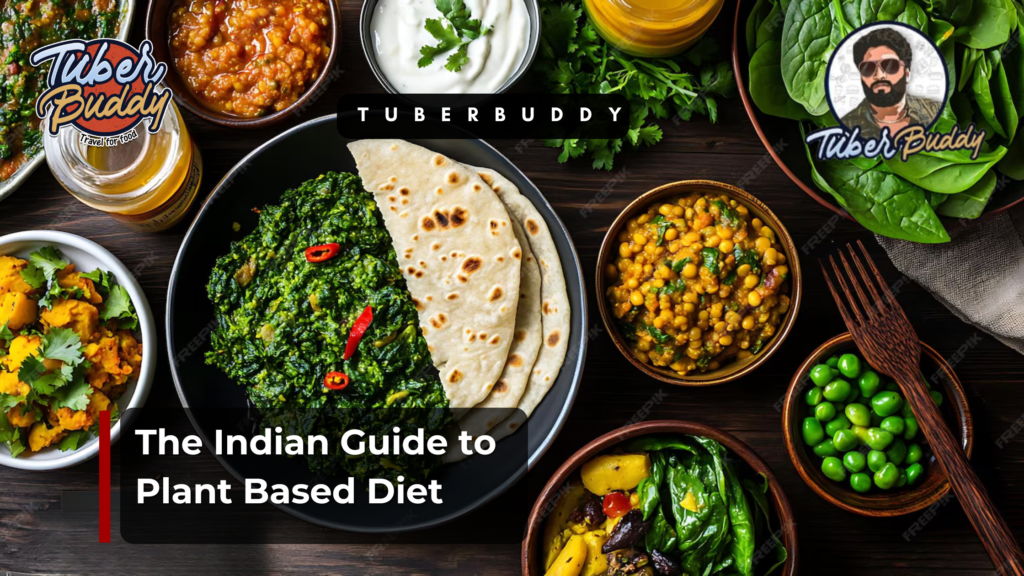
With its rich cultural heritage, India has a long history of embracing plant-based eating, reflected in its diverse and flavourful cuisines. The emphasis on plant-based diets is not only a culinary choice but also a cultural and spiritual practice in many parts of the country.
India has an extensive history, with many cultural regions that have been influenced by plant-based food systems and a plant-based vegetarian diet. For example, many traditional Indian cuisines offer over 700 vegetarian dishes, including: dal (lentils), chana masala (chickpeas), and other vegetable curries.
Traditional Plant-Based Indian Cuisines
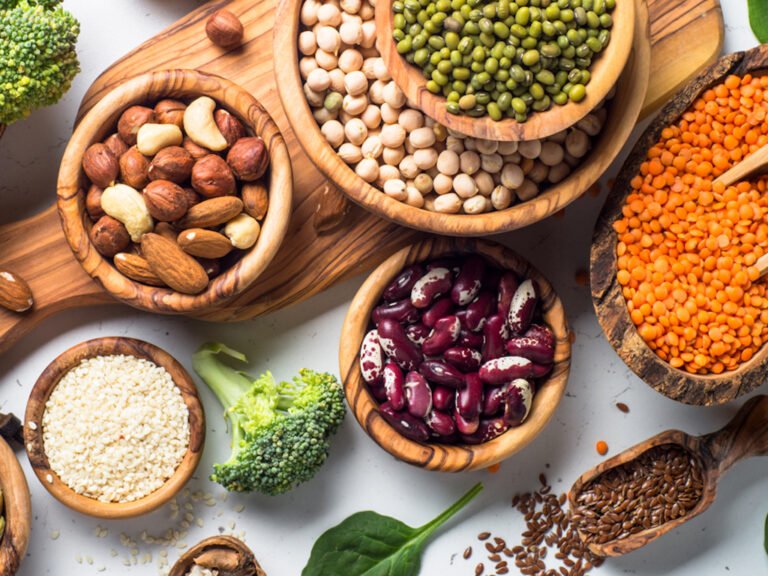
Because of these different regional religions and cultural practices towards a vegetarian diet, traditional Indian cuisines contain a large number of plant-based foods, including: legumes, pulses, nuts and seeds, grains, fruits, vegetables, and herbs. All of these foods are packed with nutrients and have many health benefits.
Examples of plant-based foods that we commonly eat are:
- Lentil (dal) and pulse (amusal) varieties made from lentils and legumes
- Chana Masala, Chana Daal, Urad Ma-Molasses Extract, and other legume-based curries
- Vegetables (Bruchetta, Sambhar, Alu-Veggie, etc)
- Rice-based dishes (e.g. Curd-Free Vegetable Biryani, Lemon Rice, Tamarind Rice)
These delicious examples of plant-based foods demonstrate that they are anything but tasteless and bland! They contain a wide variety of flavours, aromas and textures.
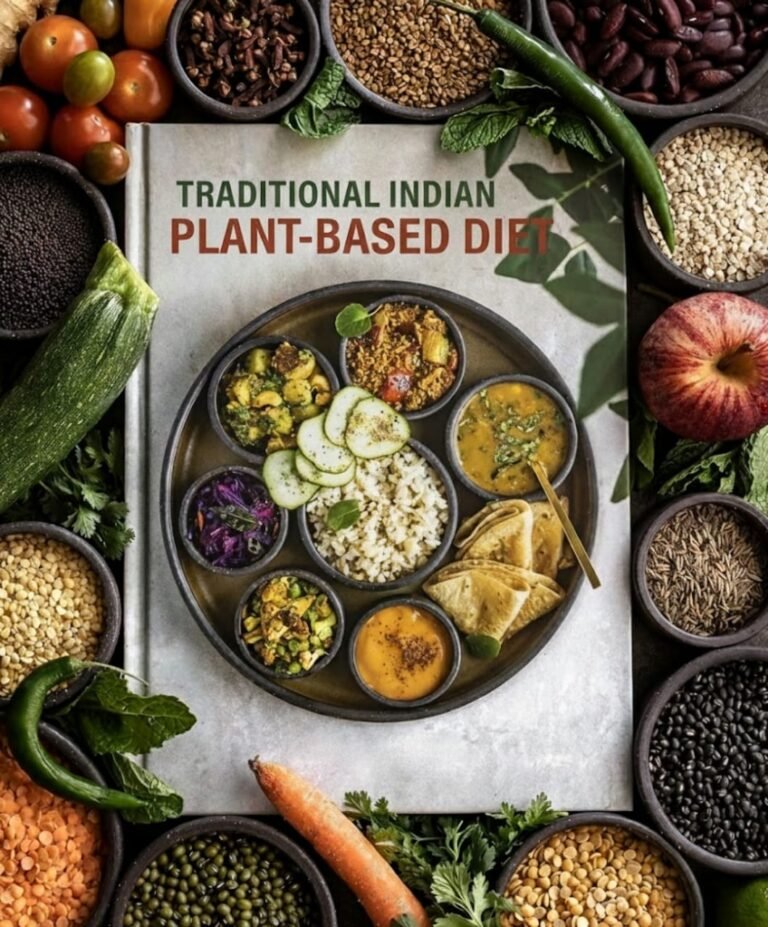
Plant Based Regional Specialties in India
Each part of India has many different specialties with respect to plant-based dishes, like Kerala (the southern state) is known for sadhya (a traditional lunch consisting of an assortment of dishes served on a banana leaf) and Gujarat (the western state) features a large selection of vegetarian specialty foods, such as undhiyu and handvo. Indian Cuisine is richly diverse and showcases many types of Plant-Based food products by region throughout the country.
Adapting to Food Innovations Plant Based Eating Is on the Rise
Modern life has inspired many health-conscious individuals and concerned citizens to rediscover plant-based diets as a more sustainable option; as a result, there has been an increase in the number of chefs and culinary professionals creating plant-based dishes.
“The future of food is plant-based, and India is leading the way with its rich culinary heritage and innovative spirit.”
By using traditional plant foods along with contemporary methods of preparation (such as the use of spices), chefs create flavorful meals with a modern feel for the average consumer.
The Plant Based Diet Revolution
The idea of living a healthier lifestyle and eating more plants has resulted in a large number of people turning to plant-based diets in the future, thanks to India’s extensive history of plant-based cooking combined with innovative culinary techniques.
When we consider how to transition to a plant-based diet, there are two main options available: a gradual build-up of plants into your diet over time or an instant switch over to a complete plant-based diet. Each method of transitioning offers its benefits, depending upon individual lifestyles and preferences.
Permanent food products and meals are also a popular way to use spices and prepare food in Indian culture. Plant-based diets can easily include recipes that cater to your tastes, while providing healthy nutrition.
Plant Based Meal Planning for Indian Households
Start your Day with Good Nutrition for Breakfast
Breakfast is the most important meal of the day! As the day gets started, it is critical to eat a healthy and satisfying breakfast. Some of the most popular meal components in Indian cuisine are the plant-based ones:
* Oatmeal (or similar products) topped with almonds, raisins, cranberries, etc.
* Idlis and dosa made from fermented rice and lentils, or something else; but either way, oatmeal can be made into idlis or dosa by adding salt or chapati powder.
* Health-boosting smoothies made from spinach, bananas, almonds, and more!
Lunches
The following are the few Plant based foods in indian Cuisine which makes you energised and a healthy option:
- Dal pluse rice
- Vegetable sambar and rice
- Rajma with Brown Rice
- Vegetable Khichdi
- Millet Meals like Ragi, Jowar, Bajra
Dinner
Dinner is also an important one in a day after a dinner there is a long gap or fast upto next day breakfast, So taking a healthy dinner is also very important one just like breakfast. Don’t try to skip that, the following are the few dinner idea for the plant based cuisine
- Vegetable Strir Fry with Roti
- Vegetable Pulao
- Idli or Dosa with SambarStuffed Vegetable Paratha
- Vegetable soup
- Upma with vegetables
Snack and Deserts
Plant based snacks and desserts have endless possibilities! Popular plant-based snacks include chickpeas roasted in spices and other dry grains (e.g., puffed rice). The most popular desserts made from plant based products include fruit/vegetable-based kulfis and gulab jamun made with coconut milk.
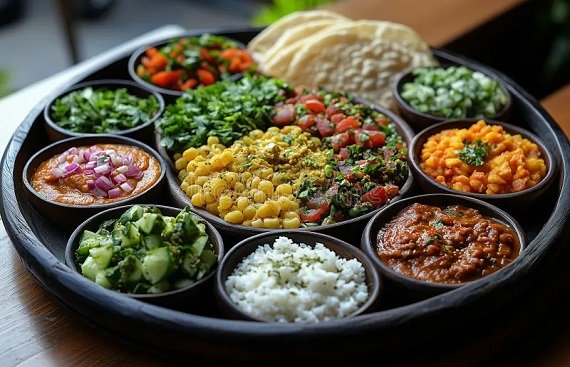
Overcoming Challenges of a Plant Based Diet
Adopting a Plant-Based Diet can be Difficult, But It is Achievable with Proper Strategies. As People Transition into this Lifestyle, They May Face Many Obstacles, But with Proper Preparation and Social Support, These Obstacles Can Be Overcome.
Social Gatherings and Eating Out
There are many Restaurants & Establishments with Plant-Based Menu Items That Will Make Following a Plant-Based Diet Easier While Meeting Your Nutritional Needs. Do Your Research on Restaurant Menus Prior to Dining Out or Attending an Event. Let the Host or Server Know Ahead of Time What Your Dietary Restrictions are. This Will Help to Create a Better Eating Experience.
Family Members & Friends Expressing Concerns
Family Members & Friends Might Be Vary Willingly Supportive of Your Choice to Adopt a Plant-Based Diet. However, Some May Have Unfounded Concerns and be Resistant to Your Choice. By Educating Others about the Benefits of a Plant-Based Diet and Cooking for Them, You Can Help Them Understand Your Choice. Show Others What a Great Choice Plant-Based Foods Are and Be a Role Model, the Negative Perceptions of Plant-Based Foods Can Be Changed into Positive Support for Your Choice.
Main health benefits in eating a plant based diet
The health benefits of a plant-based diet include:
- Heart health as they contain less carbs
- Healthy Digestion as they contain more fibers
- Weight Management is the best way as they contain more fibers and less carbs
- Reduction of many lifestyle-related diseases.
A plant based diet encourages us to think differently about what we eat and how we consume.
When eating balanced, a traditional Indian meal can supply all our nutritional needs.
Summary
For Indians, a healthy diet that consists primarily of plants is not a trend; rather, it represents a return to our roots. The variety of plant foods that can be found in the Indian subcontinent means that we can make life sustainably and pleasantly through plant-based living. Individuals can achieve the highest level of health through mindful eating practices as well as informed dietary decisions, while simultaneously improving the health of our planet as well.
Responses To Common Questions (FAQ)
- Are vegetarian diets appropriate for Indian families?
Yes, there are many vegetarian foods in Indian cuisine, making it a simple transition with little effort required to adopt them.
- Can a vegetarian diet provide sufficient nutrition?
With some planning, using legumes, grains, vegetables, fruits, nuts, and seeds will ensure you obtain all your comprehensive dietary requirements on a vegetarian diet.
- Is vegetarian food costly in India?
Not really, basic foods such as lentils, rice, vegetables, and millets are inexpensive and readily accessible.
- What do I do when attending social gatherings where there are no vegetarian foods available?
Politely express your preference. You could also choose another food that fits your preferences or, perhaps, bring a vegetarian dish to share with others.
- Are plant-based diets appropriate for all ages?
Yes, if nutrition is properly balanced out, plant-based diets will support children, adults, and seniors.
To know more about food, health, travel, and lifestyle visit our website Tuber Buddy.