
Fuels are once again a matter of concern for Indian people, both household and business and industries in 2026. In many urban centers, there has been an increasing cost of fuel, which has been putting additional pressure on the cost of living and inflation levels. It is at this moment when many people are inquiring into the issue of why fuel prices are rising in India in 2026?
This particular situation regarding fuel cost is posing problems not only for the users of cars and motorcycles but also for other economic sectors that rely heavily on transport, like logistics, farming, industry, and public transportation. This is mainly because transportation has a huge role in the economy as far as distribution is concerned.
In this blog, we will be considering the major factors that are making fuels cost more in India, impacts on the people and the economy, policies, global factors, and also what the future will be.
Explanation of the Existing State of Fuel Prices in India
India relies heavily on crude oil imports from other parts of the world. In such a scenario, any change in international crude oil prices will definitely reflect the price changes in domestic fuels such as petrol and diesel.
Petrol prices have already crossed the 100 rupees per liter mark in many cities of India in 2026. Diesel rates have also risen significantly in recent months, which has worried many transporters.
Fuel Prices Are Increasing Again is becoming one of the most sought after economics-related issues in India, as fuels impact everyone’s day-to-day life.
Main Reasons behind Rising Fuel Prices in India
- Increase in International Crude Oil Prices
An important reason why Fuel Prices Are Increasing Again relates to the rising international crude oil prices. The countries exporting crude oil have curtailed their output while there is increasing demand for oils across many recovering economies.
Tensions related to geopolitical concerns, reduction in the output of oil-exporting nations, and volatility in international market conditions continue to lead to increased crude oil prices. This has led to increased fuel prices in India due to dependence on oil imports.
- Depreciation of Indian Rupee against the US Dollar
Crude oil trade is conducted in the US dollar. Therefore, depreciation of the Indian rupee against the US dollar will make the cost of importing crude oil higher.
In 2026, fluctuations in currency exchange rates pose further challenges to fuel imports. Even if crude oil prices stabilize internationally, depreciation of the Indian rupee can result in higher prices for petrol and diesel in India.
This is yet another factor explaining Why Fuel Prices Are Going Up once again.
- High Excise Duties and VAT
It cannot be denied that taxes form a large portion of the fuel price in India. Not only do the central and state governments levy excise duties, but there is also VAT on fuel.
Even with declining international prices for crude oil, taxes ensure that the final fuel prices remain high. The tax system differs among states, which accounts for differences in fuel prices from one city to another.
It is thought that reduction of taxes would be an easy way out for consumers. At the same time, tax on fuels is a good source of income for the government.
- Higher Transportation and Logistics Expenses
Transport companies are witnessing increased expenses because of the costly nature of diesel fuel. Ultimately, these increased expenses result in higher costs for consumers.
With Increasing Diesel Prices, many industries, including e-commerce, food delivery, farming, and transport industry, are currently under financial strain.
This results in further consequences that are likely to contribute to inflationary pressures and higher living costs.
- Increased Demands for Fuel
The fast-growing population and strong economy in India mean that there is an ever-increasing need for fuel. The growing number of vehicles, industrialization, and transport networks contribute to increasing demands.
Since the demand grows faster than supplies, prices for fuel are bound to rise.
India’s urbanization and economic growth are likely to maintain fuel demands in coming years, through 2026.
Effect of Increase in Fuel Cost on Indian Citizens
Increase in Personal Expenses
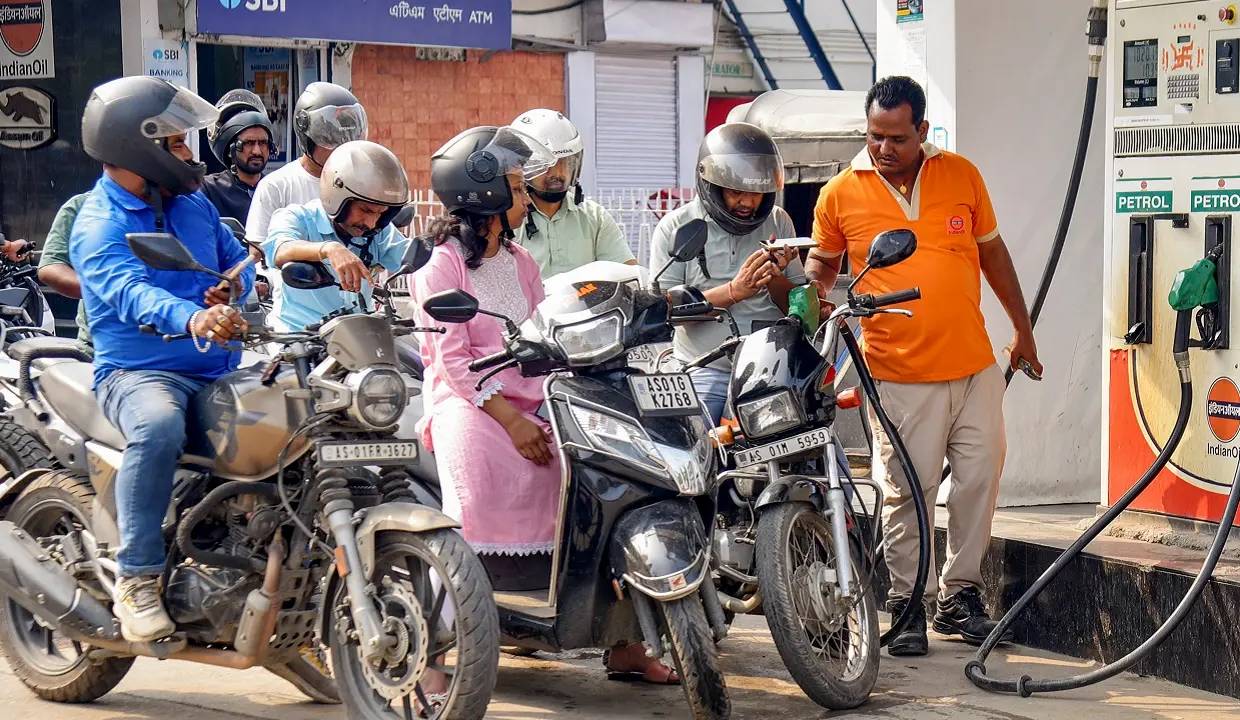
As soon as fuel cost starts to increase again, individuals start to experience their effects. The cost of daily travel increases, thus impacting employees, students, and families.
Those who are dependent on personal transport have to spend a lot more on fuels such as diesel and petrol than ever before.
Higher Food Cost
The cost of fuel is directly linked with agriculture and transport. Diesel-driven machines are used for farming activities while food items are transported via trucks over long distances.
With an increase in transport costs, food prices also increase, adding to inflationary pressures.
Effect on Business Organizations
One of the most affected organizations due to increased fuel cost are small and medium businesses. Transporters and manufacturing firms suffer from lower margins due to higher fuel cost.
Firms may hike prices in order to cover their costs.
Public Transport Fare Increases
Many of the public transport systems are highly dependent on diesel. Many times, the fares charged by bus and taxi services are increased due to an increase in fuel price.
This would have a direct impact on those who make use of such means on a daily basis, increasing their travel cost.
Impact of Increase in Fuel Price on India’s Economy
Apart from affecting an individual’s cost of living, the Increase in Fuel Price is also a cause of concern for the economy as a whole.
Inflation Growth
The growth rate of inflation is greatly influenced by an increase in the fuel price because of its impact on all the industries.
Decreased Consumer Expenditure
Due to increased fuel prices, the expenditure of individuals on other commodities is decreased.
Industries Under Pressure
There would be many industries operating under pressure due to high fuel costs.
Steps Taken by the Government to Ensure Stable Fuel Prices
Various steps have been taken by the government in India to ensure stable fuel prices. This is one tough job for the government as it needs to balance its economic development, generate revenue, and provide consumer relief at the same time.
Fuels Taxation
The central or state government may reduce the taxation of fuel for some time to make consumers benefit from such steps.
Electric Vehicle Initiative
This is a step by the government of India for promoting electric cars so that there will be lesser consumption of petrol and diesel in vehicles. Various incentives are being offered by the government of India to the manufactures and consumers in 2026.
Alternative Energy Sources
Various sources of renewable energy like solar, wind, and biofuel energy are being invested in India.
Are Fuel Prices Likely to Rise in 2026?
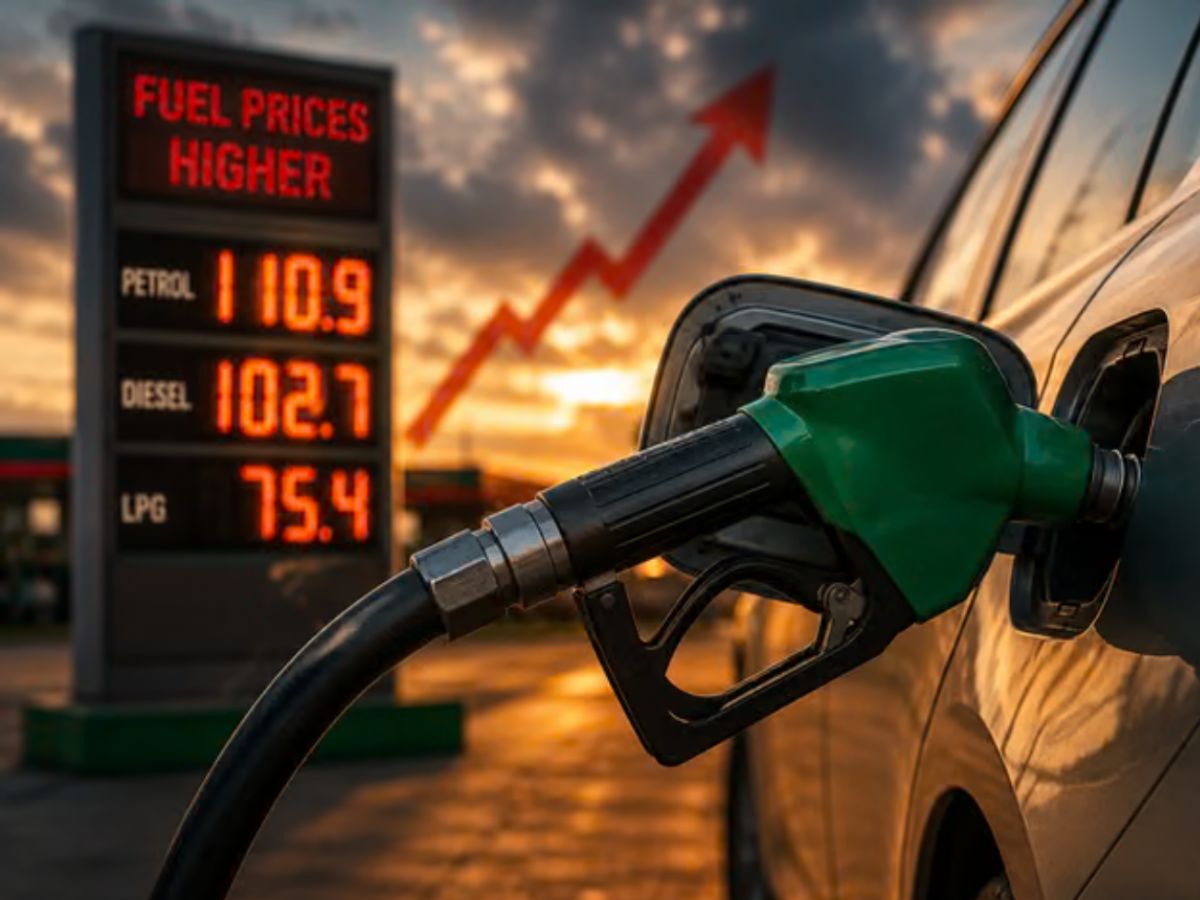
There are bound to be fluctuating fuel prices in 2026 due to certain factors like economic instability around the world, geopolitical risks, and demand for energy resources.
Factors that influence the price of fuels include:
- International level of production of crude oil
- Currency exchange rates
- Government taxation systems
- Worldwide economic situation
- Demand for transportations and logistics
Thus, it may be predicted that consumers and organizations need to prepare themselves for fluctuations in fuel prices in the coming months.
How To Manage Increasing Fuel Prices as a Consumer?
Following are some ways in which one could manage increasing fuel costs:
Use Public Transport
Buses, metros, and car pooling could help individuals reduce the use of fuel.
Maintain Your Vehicle
Routine servicing, maintaining the tyre pressure, and improved driving techniques could increase your vehicle’s efficiency in consuming less fuel.
Drive Fuel-Efficient Vehicles
Nowadays, more Indians are buying hybrid and electric vehicles.
Optimize Your Travel
Unnecessarily traveling places could be avoided with good travel plans.
Fuel and Energy Future for India
India is gradually moving to the adoption of clean and sustainable sources of energy. The following options for the solution of this issue are introduced by the Indian government and the business community alike:
- Electric vehicles
- Hydrogen fuel
- Solar power
- Bio-fuels
- Infrastructure for renewable energy production
While petrol and diesel will prevail in the coming decade, the development of alternative sources of energy may eventually reduce the dependence on non-renewable energy sources.
Considering that fuel prices are increasing again, it is clear that there should be solutions aimed at ensuring long-term sustainable sources of energy developed.
Conclusion
The factors responsible for the increase in fuel prices again in India in 2026 include crude oil prices, exchange rates, taxation policy, growing demands, and shipping costs among others.
The increase in fuel prices affects many aspects of our life, from family households to the economy. As governmental institutions find new ways to address this problem, individuals will need to adapt their strategies as well.
In conclusion, although the price for fuel increases again in India in 2026, the problem of sustainable and accessible sources of energy persists. Follow Tuber Buddy for more Interesting Blogs.
FAQs
1. Why are fuel prices increasing again in India in 2026?
Fuel prices are rising due to higher global crude oil prices, rupee depreciation, increased demand, and government taxes.
2. How do fuel price hikes affect common people?
Rising fuel prices increase transportation costs, food prices, travel expenses, and overall household spending.
3. Why are petrol prices different in each state?
Different states impose different VAT rates and taxes on petrol and diesel, causing price variations.
4. Will fuel prices decrease in 2026?
Fuel prices may fluctuate depending on global crude oil markets, currency exchange rates, and government policies.
5. How can consumers reduce fuel expenses?
Consumers can use public transport, maintain vehicles properly, adopt fuel-efficient driving habits, and consider electric vehicles.
6. How do fuel prices impact the economy?
Higher fuel prices contribute to inflation, increase transportation costs, and affect business profitability.
7. Is India promoting alternatives to petrol and diesel?
Yes, India is investing in electric vehicles, renewable energy, green hydrogen, and biofuels to reduce dependency on fossil fuels.