
Introduction
The common conception about sustainable living is that you need costly items, drastic lifestyle change or a completely organized house. None of the above is true. The most productive decisions in terms of being environmental-friendly will be those that seem normal and everyday: carrying a reusable bottle, buying items with less packaging, meal planning, fixing things instead of throwing away and using the available items more efficiently in the kitchen.
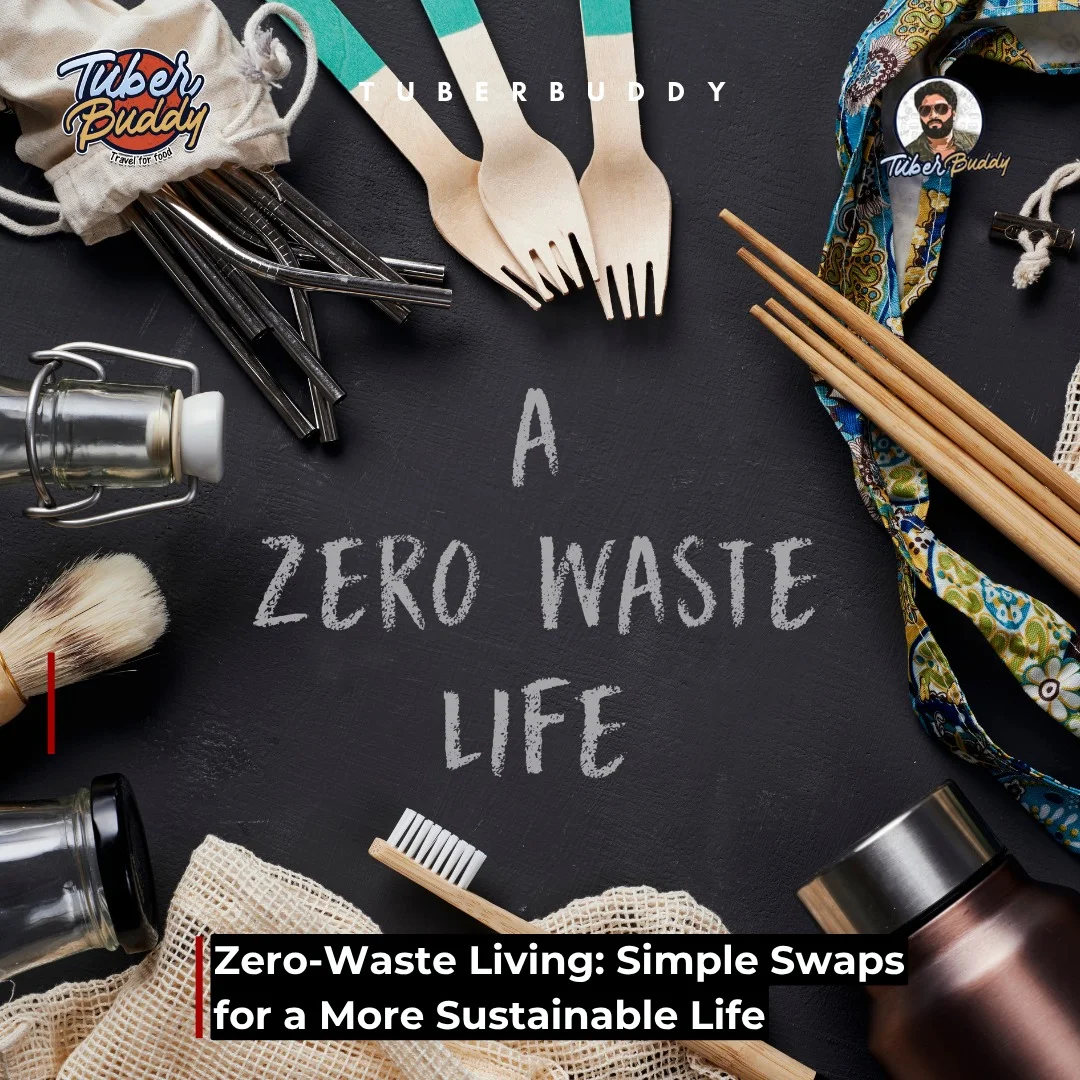
This is the practical part of Zero-Waste Living. It is not about making zero waste in the household. It is about developing an attitude towards purchases, items used and reused, as well as thrown out. A few reasonable steps on a daily basis will help to minimize household waste without making one’s life complicated.
The readers of TuberBuddy who like practical ideas about food, health and lifestyle will definitely find a lot of inspiration in the blog posts of Healthy Lifestyle Changes.
What Does Zero-Waste Living Truly Mean?
At its very core, Zero-Waste Living implies making efforts to reduce the generation of waste in advance. Of course, recycling plays its part, but it cannot always be considered the first option. Buying less, reusing existing resources, and using durable products might be preferable options in most cases.
Take a look at an ordinary morning routine. There is a disposable cup for a take-away drink, plastic packaging for breakfast, and bottles of drinks packed in the work bag. Individually, none of those examples appears to be too critical. When multiplied by the number of months, people or places, the quantity of waste generated turns out to be impressive.
On the brighter side, there’s another perspective too. Minor changes made consistently can create a lot of difference.
Begin with the Kitchen
One of the simplest ways to start with Zero Waste Living is in the kitchen since there is ample scope for improvement in the shopping, storage, and preparation of food.
Prepare Before You Go Shopping
Sometimes the waste in food happens even before food comes into your refrigerator. Buying more than the family needs is common, especially with attractive deals that induce you to buy extra.
Before going out to shop, check the availability of items. Prepare a rough meal schedule for a few days in advance and then purchase accordingly. Place old ingredients in easily visible places, instead of pushing them behind newly bought items.
As per TuberBuddy, there are several practical food tips discussed, like 20 Easy Weeknight Dinner Recipes for Busy Families.
Store Food More Carefully
Proper storage will help many ingredients to last longer. Vegetables must be stored properly, while dry goods should be stored in airtight containers and dated with the date of preparation.
Vegetables that are not fresh enough can be added to soups, stir-frys, curries, and any other dishes, whereas overripe fruits may be used in smoothies and desserts.
This is when Zero Waste Living becomes reality as opposed to theory – one saves on food, avoids unnecessary buying, and spends the money wisely.
Make Simple Reusable Swaps
You don’t have to replace everything in your house immediately. Begin with products that you use most often.
Take along a reusable bottle instead of buying bottles during the day. Have some reusable shopping bags ready in your car or near the front door. Substitute disposable food containers with reusable lunch boxes and containers.
A reusable mug can also come in handy if you usually drink your beverages away from home. The thing is that you don’t have to buy ten items which seem to be “eco-friendly” just because they are green. Use the things you have until there is a need to replace them.
It is one of the key aspects of Zero-Waste Living which is reasonable. Consumption must not increase just because the packaging looks eco-friendly.
Change Your Eating Habits
A combination of sustainable living and rational eating is possible. It can help to minimize waste without harming your healthy and balanced diet. TuberBuddy’s Gut Health 101 also emphasizes the significance of daily eating choices, fiber foods, fruits, vegetables, balanced diets, and routine eating habits.
Think about having a “first in” box in your fridge and put products in it, which require special care from you. Cook spinach today if you understand that it will not last for several more days. Combine vegetables if you see that they are approaching their expiration date and would be thrown away anyway.
All these habits will greatly simplify Zero Waste Living since they are quite natural and easy to incorporate in your kitchen routine.
Extend Sustainable Practices to Work
The creation of waste is not confined to your house. There might be an abundance of disposable cups, containers, papers, and other disposable items in the office setting.
A simple modification is to maintain a small kit at your workplace: a reusable water bottle, a reusable lunch box, spoon or fork, and reusable cups. You don’t need something fancy.
An employer may also promote healthy and more sustainable practices in the office environment. The TuberBuddy’s article “Healthy Office Snacks” demonstrates that eating habits may easily fit into the daily work process.
For businesses, zero-waste living involves rethinking the approach to procurement. Appropriate amount of supplies and reduced packaging of products can minimize waste production from the very beginning.
Repair, Reuse and Repurpose
Modern shopping makes replacement extremely easy. A damaged chair becomes a reason to buy another chair. A worn shirt becomes a reason to purchase a new one.An object that has no lid is discarded.
Ask yourself three basic questions before making a replacement: Can I fix it? Can I reuse it differently? Can someone else use it?
An old glass jar can store spices, pulses or homemade mixes. A sturdy cardboard box can become storage for household items. Used clothing made of cotton can be repurposed into cleaning cloths.
This is the most fulfilling aspect of Zero-Waste Living since it fosters innovation and not just restriction of consumption.
Be Smarter While Travelling
Traveling creates a lot of waste in terms of disposable bottles, packaging, snacks and packing waste.
Use a reusable bottle, use reusable travel accessories, and pack your snacks in recyclable packing. Plan ahead in order to avoid buying the first thing you see just because it is convenient for you.
TuberBuddy’s travel tips help you plan ahead, and this kind of approach will help you in Zero Waste living while travelling. Just a little bit of preparation before your trip will help you avoid a lot of waste.
Choose Quality Over Quantity
One common error individuals make when they start Zero Waste Lifestyle is that of wanting to change everything instantly. This strategy can get quite pricey and frustrating in the long run.
The best way to go about this is to determine the major contributor to waste production in your home. Whether it is take-away packaging, excess food waste, or disposable water bottles; tackle it.
You do not need perfection. You need habits that are realistic enough to continue.
For businesses communicating sustainability, thoughtful visual communication can also help turn environmental ideas into memorable messages. SageGFX and SageAds provide branding, design, digital marketing and communication services that can help businesses present their ideas clearly.
Make Zero-Waste Living a Family Routine
Sustainability becomes much easier when everyone pitches in. Kids can be taught to turn off unnecessary lights, carry their own bottles, not waste food and take care of their stuff. Adults can show the way without having to make each environmental choice an educational experience.
Do it in an easy way. Have reusable bags accessible. Have a bin ready for recycling. Plan meals together. Help the family use up the leftover meals rather than prepare something new.
With time, Zero-Waste Living stops being a separate initiative and just becomes the way things are done in the house.
Small Changes that Make a Difference
The strongest version of Zero-Waste Living is not dramatic. It is dependable.
Use what you already own. Buy thoughtfully. Store food properly. Repair useful items. Carry reusable essentials. Plan meals. Avoid any excessive packaging where possible. Learn from your errors rather than giving up after having a bad week.
For those looking for another practical book on wellness, TuberBuddy’s Home Workouts: 15-Minute Routines is one of the publications that demonstrates the practical nature of the site’s content.
In the end, Zero-Waste Living is not about striving for perfection but about making smarter choices with what we have around us.
Conclusion
Living sustainably doesn’t mean having the perfect kitchen, the perfectly packed shopping basket filled with reusable items, or the perfect set of instructions. It starts with identifying how we waste and if there’s an easier way around it.
Zero Waste Living can start with just one reusable water bottle, one better planned trip to the grocery store, one repaired thing, or one meal with ingredients you would normally forget about. These small acts can mean little at first, but if they’re performed daily, they become important habits.
The idea isn’t to be perfect; the idea is to waste less, buy things mindfully, and make practical decisions. Choose one action today and make it a habit, then choose another.

FAQs
1. What is Zero-Waste Living?
Zero-Waste Living is a concept whereby one is able to minimize waste through careful buying, reuse of things, fixing broken things, composting where necessary, and proper recycling.
2. How can I live Zero-Waste Living at my house?
You can begin by doing some easy steps such as using reusable bags and water bottles, planning your food, proper storage of your food and other items, reuse of containers and no extra purchases.
3. Can I use packaged goods if I want to follow Zero-Waste Living principles?
No, Zero-Waste Living requires minimizing waste not achieving a perfect state. Buy those goods which have functional packaging and you don’t need.
4. How can I minimize food waste by following the Zero-Waste Living?
It is necessary for you to plan your meals, take into account your food supply before you go shopping and store the food correctly.
5. Is Zero-Waste Living very expensive?
No, Zero-Waste Living is not expensive. In most cases, Zero-Waste Living saves money.